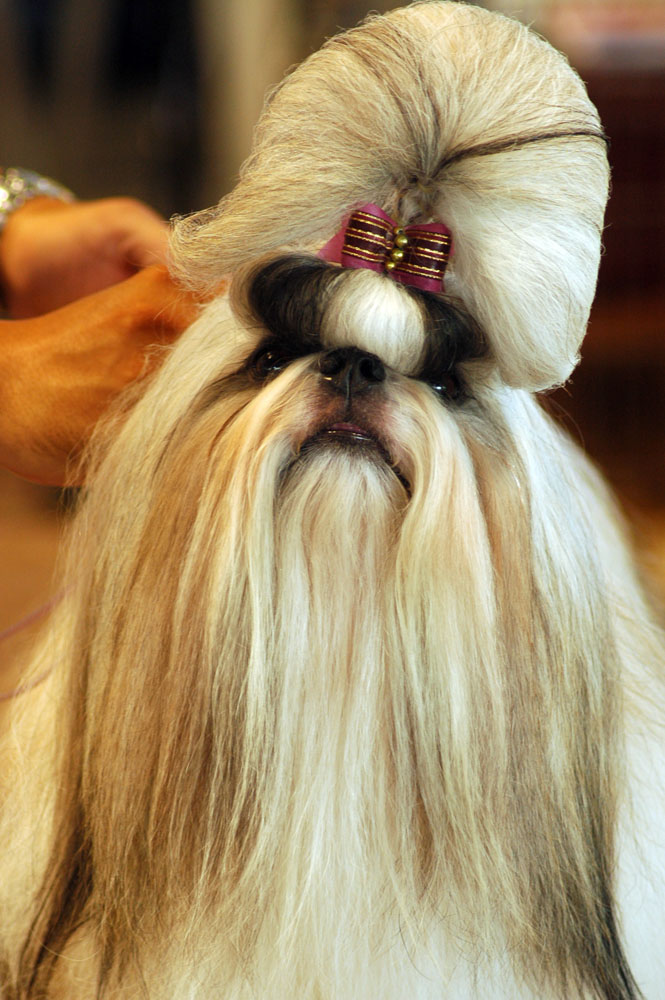
Shih Tzu Grooming Needs: What Owners Should Expect
Shih Tzus are high-maintenance dogs where grooming is concerned. A long coat usually needs daily brushing and combing, while a short “puppy cut” still needs brushing several times a week and professional trimming about every six to eight weeks. Owners should also plan for regular baths, daily face and eye-area checks, nail care, ear checks, and hair kept away from the eyes.
The tradeoff is simple: a shorter coat reduces tangles and daily work, but it does not make a Shih Tzu maintenance-free.
Why Shih Tzus need so much grooming
The Shih Tzu has a dense, continuously growing coat that can trap loose hair instead of dropping it quickly around the house. That is why the breed may appear to shed less than many dogs while still developing mats surprisingly fast.
Friction zones are the first places to check: behind the ears, under the collar or harness, in the armpits, on the chest, around the legs, and beneath the tail. A coat can look smooth on top while knots tighten close to the skin. Tight mats pull whenever the dog moves and can hide irritation, moisture, or sores.
Face shape adds another layer. Hair can rub the eyes, food and water can soil the beard, and moisture can collect in facial hair. Grooming is not only about producing the round, fluffy Shih Tzu look. It is routine comfort care.
Choose a coat length you can actually maintain
There are two practical paths for most pet Shih Tzus.
Long coat
A full coat requires daily section-by-section brushing and a metal-comb check from skin to tip. Owners may also tie or trim hair so it stays out of the eyes. Baths and careful drying take longer because moisture left in a dense coat can encourage tangles and skin trouble.
The long coat is beautiful, but it is a hobby as much as a haircut. If daily grooming does not fit your schedule, keeping it long is unfair to both dog and owner.
Short puppy cut
A puppy cut keeps the body coat shorter and is easier to wash, dry, and check. Many pet owners choose professional clipping every six to eight weeks, although growth rate and preferred length vary. The face, feet, sanitary area, and nails may need attention sooner.
Short hair can still mat—especially behind the ears, under a harness, and on the tail. Brush and comb it several times a week rather than assuming the groomer reset the clock indefinitely.
Brush and comb all the way to the skin
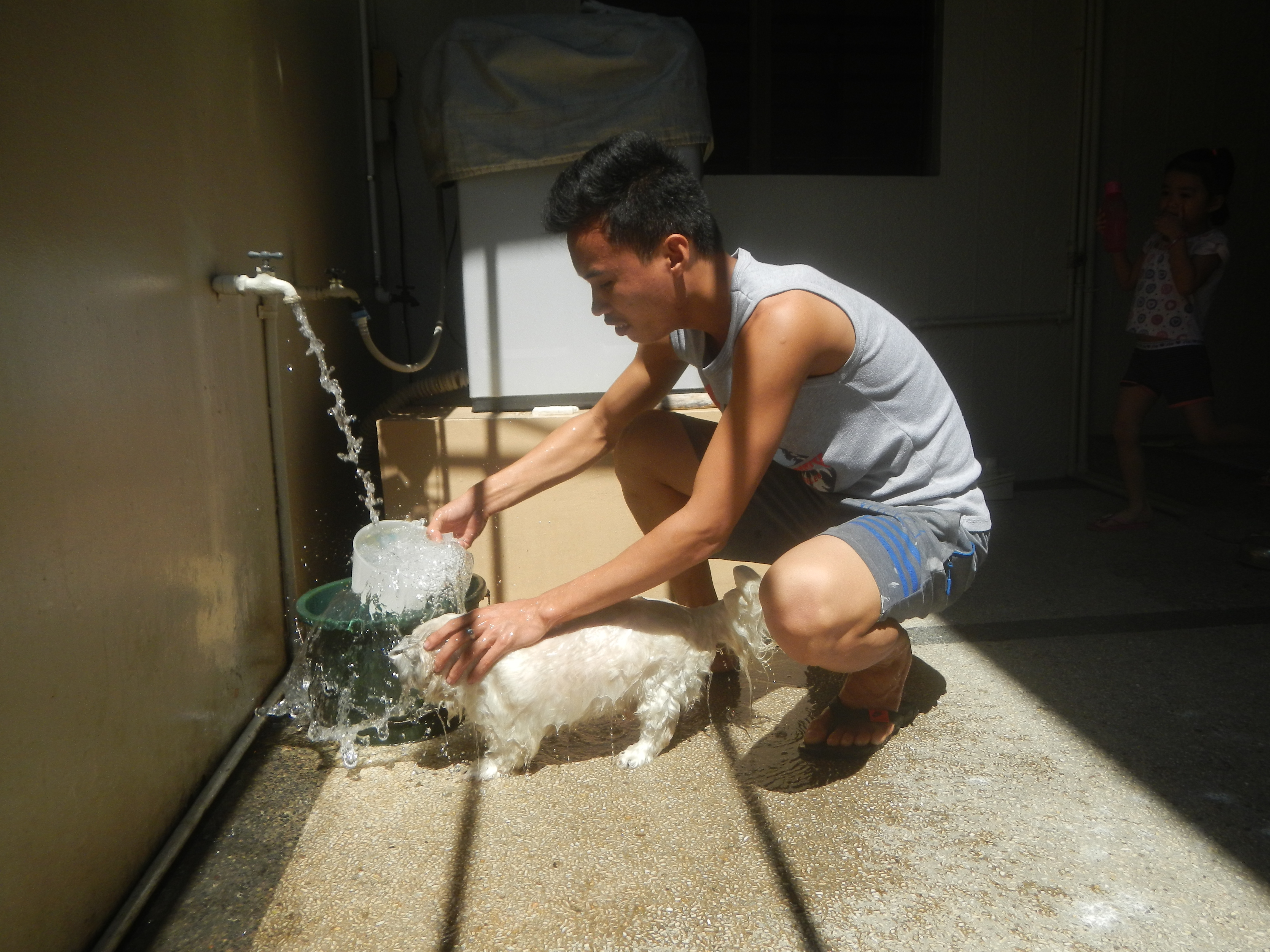
For most Shih Tzus, a pin brush or gentle slicker plus a stainless-steel comb is more useful than one miracle tool. Lightly misting the coat with a dog-safe grooming spray can reduce static and breakage; follow the product directions and avoid the eyes.
Work in small sections:
- Part the coat so you can see the skin.
- Support the hair near the root rather than pulling against the skin.
- Brush the ends first, then work gradually toward the root.
- Pass a metal comb through the section from skin to tip.
- Move on only when the comb glides without snagging.
Do not yank through a knot. Use fingers to loosen a small tangle and work from its outer edge. If a mat is tight to the skin, widespread, or painful, let a professional groomer remove it. Scissors are risky because thin dog skin can be pulled up invisibly inside a mat.
For a broader routine covering tools, nails, baths, and cooperative handling, use Dogthread's dog grooming at home guide.
Bathe, rinse, and dry carefully
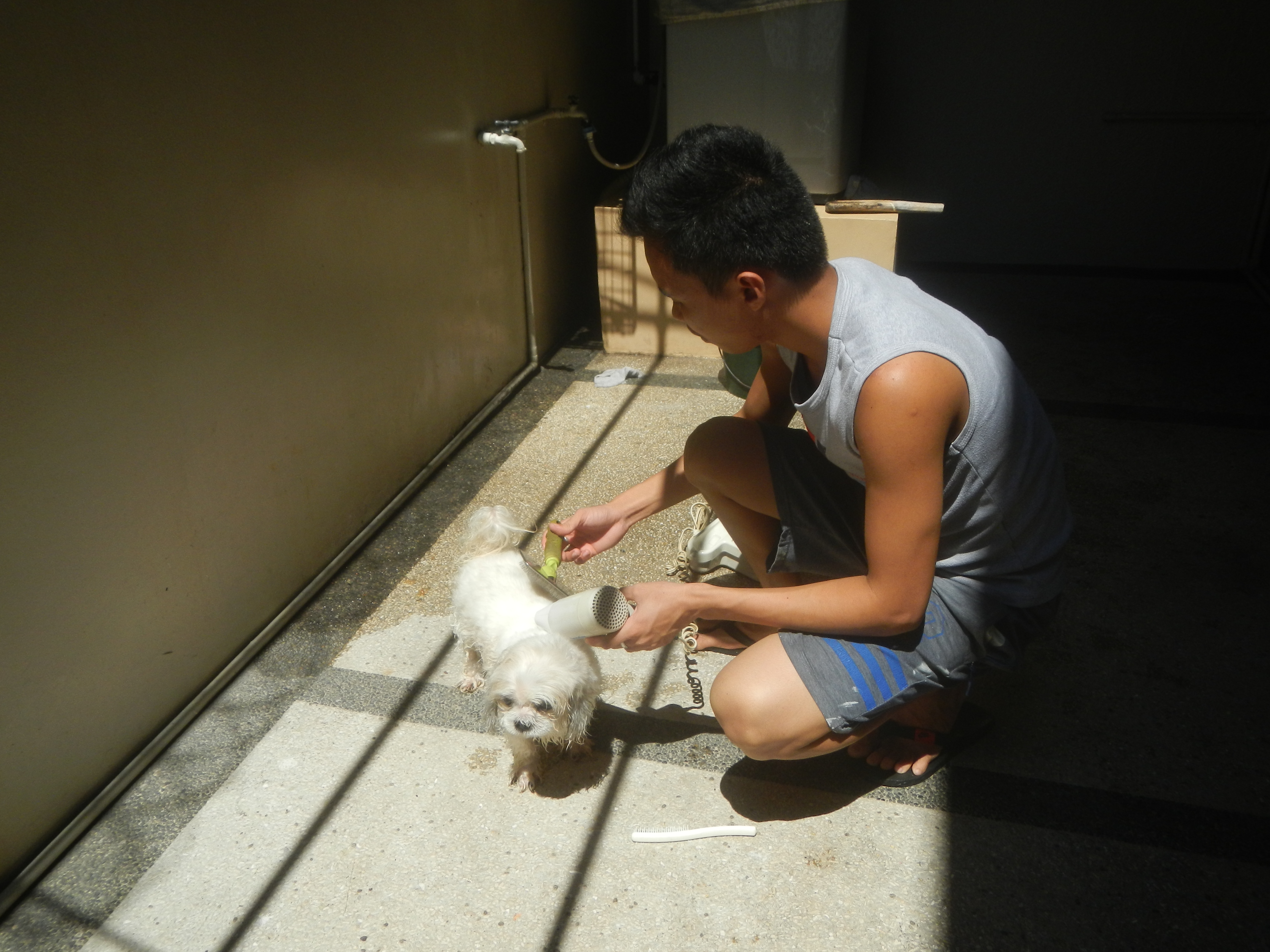
Many Shih Tzus need a bath roughly every few weeks, but there is no universal calendar. Coat length, outdoor activity, skin health, and veterinary instructions matter more than a fixed date.
Brush out manageable tangles before bathing because water can tighten them. Use lukewarm water, a nonslip surface, and dog-formulated shampoo. Keep shampoo and running water away from the eyes and ear canals. Rinse thoroughly; residue left in a thick coat can irritate skin.
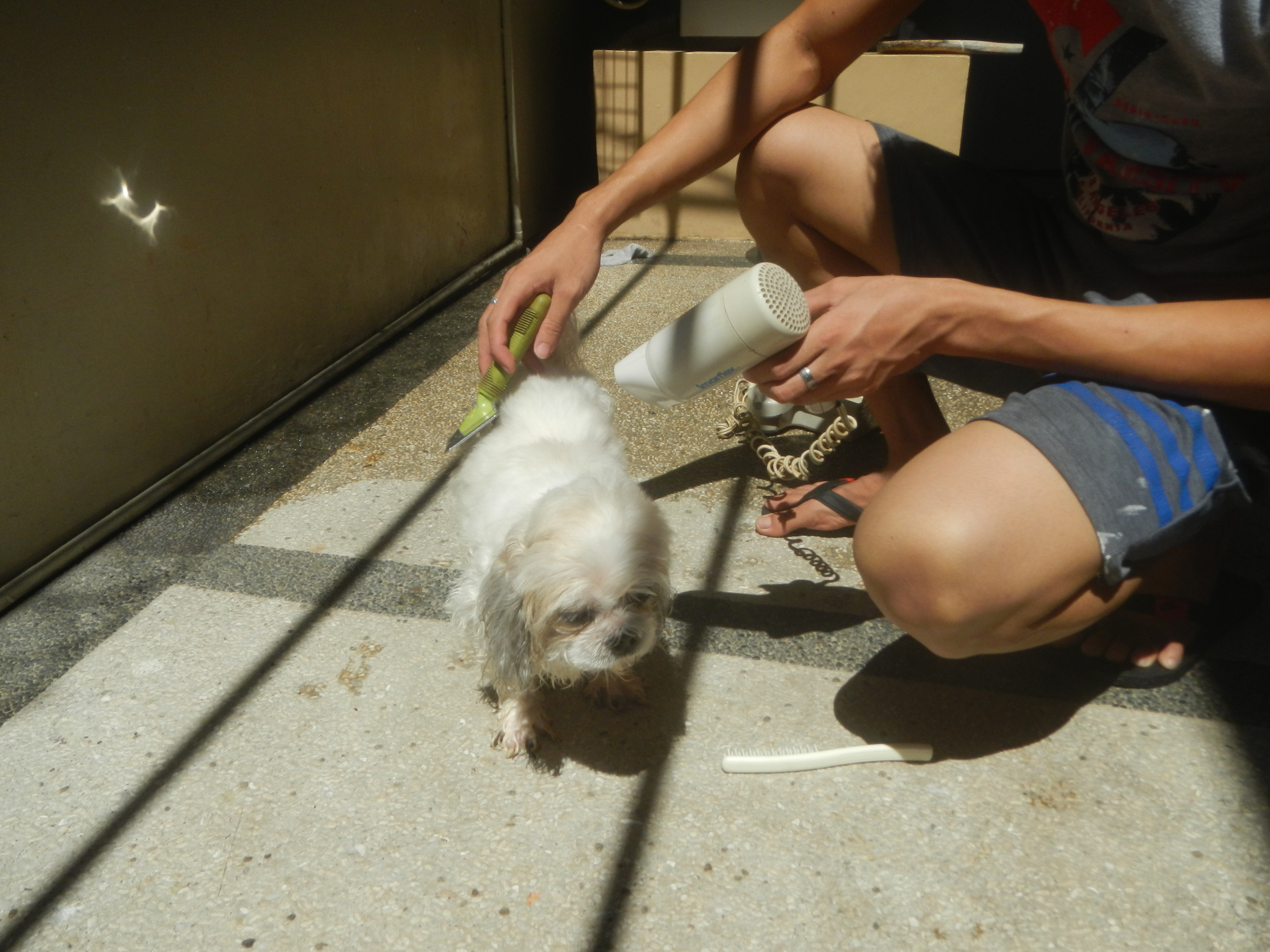
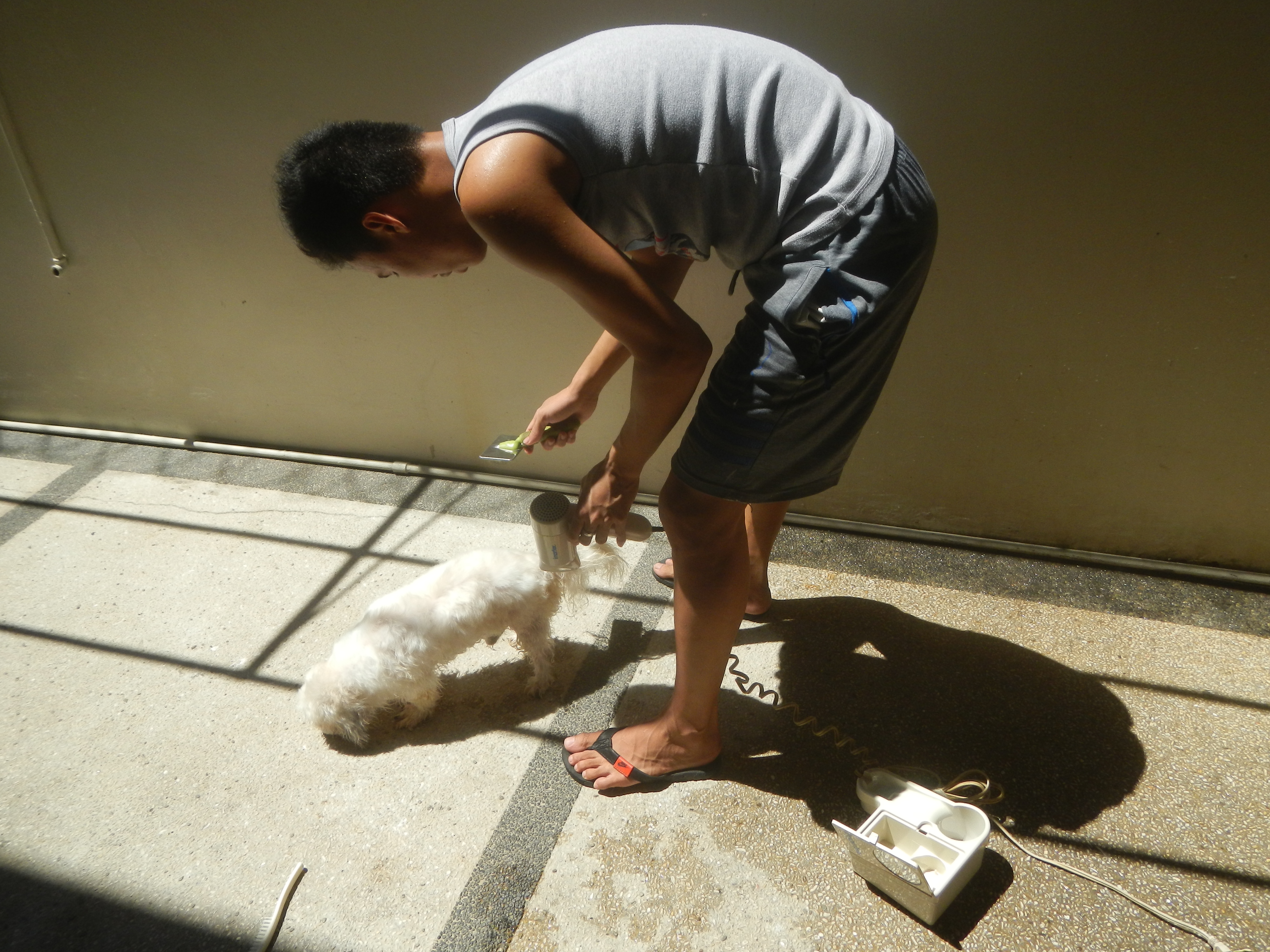
Press moisture out with towels instead of rubbing the coat into knots. If you use a dryer, keep the airflow comfortably cool, moving, and away from the face. Brush or comb in small sections as the coat dries. Never leave a damp, tangled underlayer beneath a dry-looking surface.
Persistent odor, greasy skin, sores, hair loss, redness, or repeated itching is not a cue for stronger shampoo. It is a reason to ask a veterinarian what is going on.
Keep the face clean and hair away from the eyes
Check the face daily. Wipe away ordinary debris with a soft damp cloth or a pet-safe product recommended for the eye area, using a clean section for each eye. Keep long hair tied or trimmed so it cannot rub the eye.
Some tear staining is cosmetic, but squinting, marked redness, swelling, cloudiness, pawing at the face, thick discharge, bad odor, or a sudden increase in tearing needs veterinary attention. Shih Tzus have prominent eyes; do not experiment with peroxide, harsh stain removers, human eye drops, or tools close to the eye.
Clean the beard after messy meals and check the folds around the mouth for trapped moisture. The goal is clean and dry—not scrubbed raw.
Include ears, nails, teeth, and paws
A complete Shih Tzu grooming routine goes past the coat:
- Ears: Look weekly for redness, odor, swelling, discharge, or persistent scratching. Clean only with a veterinarian-approved ear product and never push cotton swabs into the canal.
- Nails: Check weekly and trim small amounts before nails curve, snag, or alter the dog's stance. Dewclaws can overgrow because they do not wear against the ground.
- Teeth: Brush with dog toothpaste on a routine recommended by your veterinarian. Small dogs can be prone to dental crowding, and grooming appointments do not replace veterinary dental care.
- Paws: Check between pads for mats, grit, redness, or foreign material. Hair around the feet can be trimmed for traction and cleanliness, but clipper and scissor work requires control.
If nails make you nervous, Dogthread's upcoming guide to nail clippers and grinders for nervous dogs will help compare the tradeoffs without pretending one tool fits every dog.
What professional Shih Tzu grooming usually includes
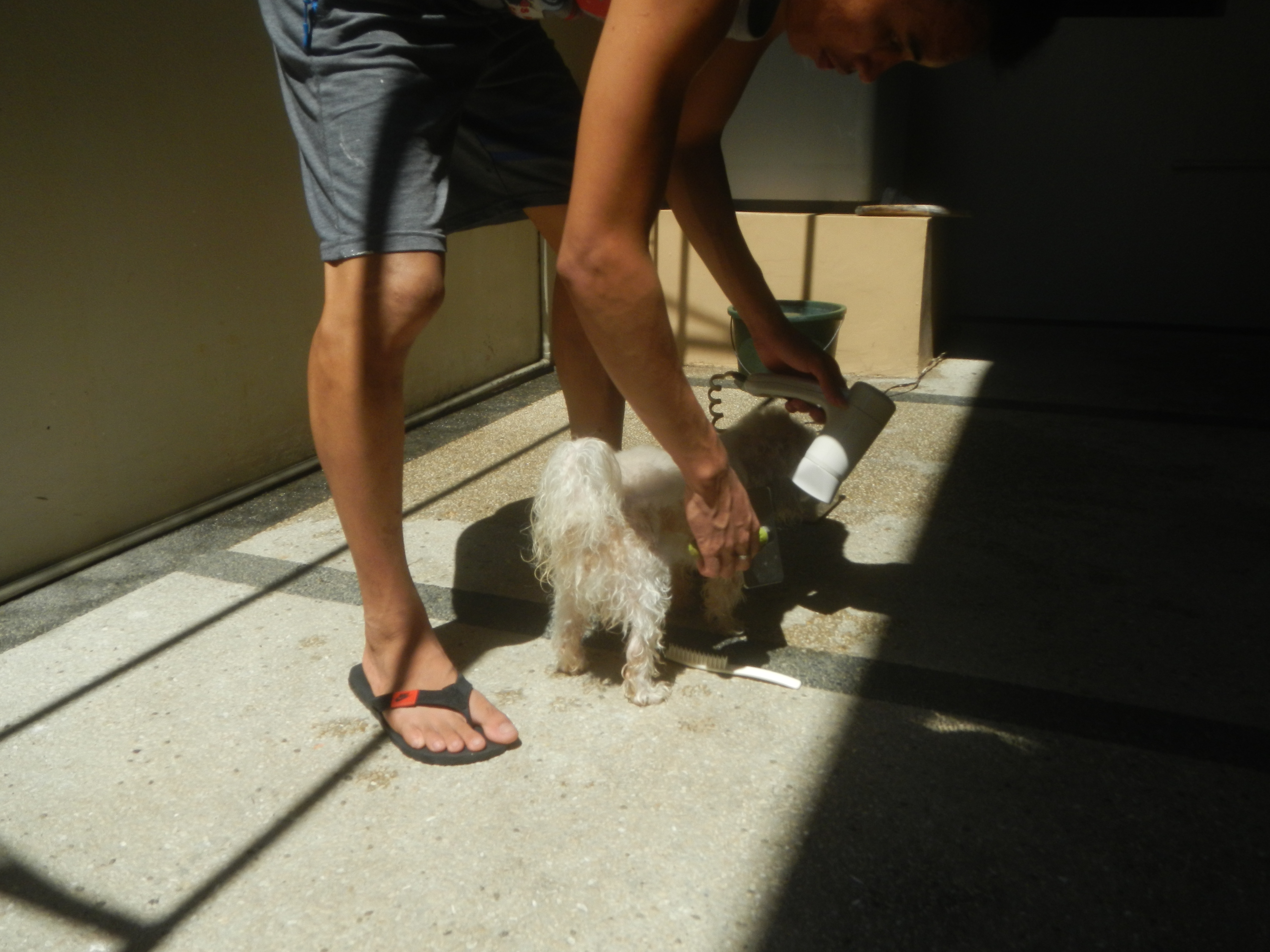
A normal professional appointment may include brushing and dematting within humane limits, bathing, drying, clipping or scissoring, sanitary-area trimming, paw-pad care, nail trimming, and ear-area tidying. Exact services vary, so ask what the quoted price covers.
Tell the groomer about skin problems, medications, painful areas, past fear, bite history, and your realistic home-brushing schedule. Bring a photo of the length you want, but accept that coat condition sets limits. A severely matted dog may need a short reset for comfort rather than the style in the picture.
Start puppies with short, positive handling sessions and low-pressure groomer visits once vaccination and veterinary guidance allow. Practice touching paws, lifting ears, holding the chin briefly, and hearing grooming sounds at a comfortable distance. A puppy who learns that grooming predicts treats and pauses is easier—and safer—to care for as an adult.
A realistic Shih Tzu grooming schedule
Use this as a starting point and adjust it with your groomer and veterinarian.
| Task | Long coat | Short puppy cut | |---|---|---| | Face and eye-area check | Daily | Daily | | Brush and metal-comb check | Daily | Several times a week | | Bath | About every 2–4 weeks, as needed | About every 3–6 weeks, as needed | | Professional trim | Tidying as needed | Often every 6–8 weeks | | Nails, ears, paws, and skin check | Weekly | Weekly | | Dental home care | Regularly, ideally daily if tolerated and veterinarian-approved | Same |
These are planning ranges, not medical rules. A dog with allergies, an eye condition, ear disease, mobility issues, or a medicated-bath plan needs individualized instructions.
Frequently asked questions
Are Shih Tzus hard to groom?
Yes, compared with most short-coated breeds. Their coat mats easily, the face needs frequent attention, and most pet Shih Tzus need regular professional clipping. A short coat makes the workload manageable but does not eliminate it.
How often should a Shih Tzu go to the groomer?
Many owners with puppy-cut Shih Tzus book every six to eight weeks. A longer style, fast-growing coat, or limited home maintenance may require shorter intervals. Ask a groomer to set the schedule after seeing the individual coat.
Should I brush my Shih Tzu every day?
Brush and comb a long coat daily. A short coat may be manageable with several thorough sessions per week, plus daily face checks. Increase the frequency wherever the comb starts catching.
Can I shave a matted Shih Tzu at home?
Not if mats are tight to the skin or you lack safe clipper experience. Mats can hide folds of skin, sores, and moisture. A professional groomer or veterinary team can choose the safest removal plan.
Why does my Shih Tzu's face smell?
Food, saliva, tears, damp facial hair, dental disease, skin infection, or ear trouble can all contribute. Clean and dry the beard gently, but ask a veterinarian about persistent or strong odor—especially with redness, discharge, pain, or itching.
How this guide was prepared
Dogthread prepared this article as source-informed editorial synthesis, not veterinary advice or a claim of professional grooming experience. Breed and coat expectations were checked against the American Kennel Club's Shih Tzu profile and general grooming safety against VCA Animal Hospitals' coat-care guidance. Individual health needs vary, and a veterinarian's instructions take priority.
The bottom line
Expect a Shih Tzu to need grooming for life: daily face care, frequent brushing, careful baths, routine nails and ear checks, and professional trims if the coat is kept short. Pick the coat length you can maintain between appointments. Consistent five-minute sessions beat waiting until a small knot becomes a painful, expensive haircut.