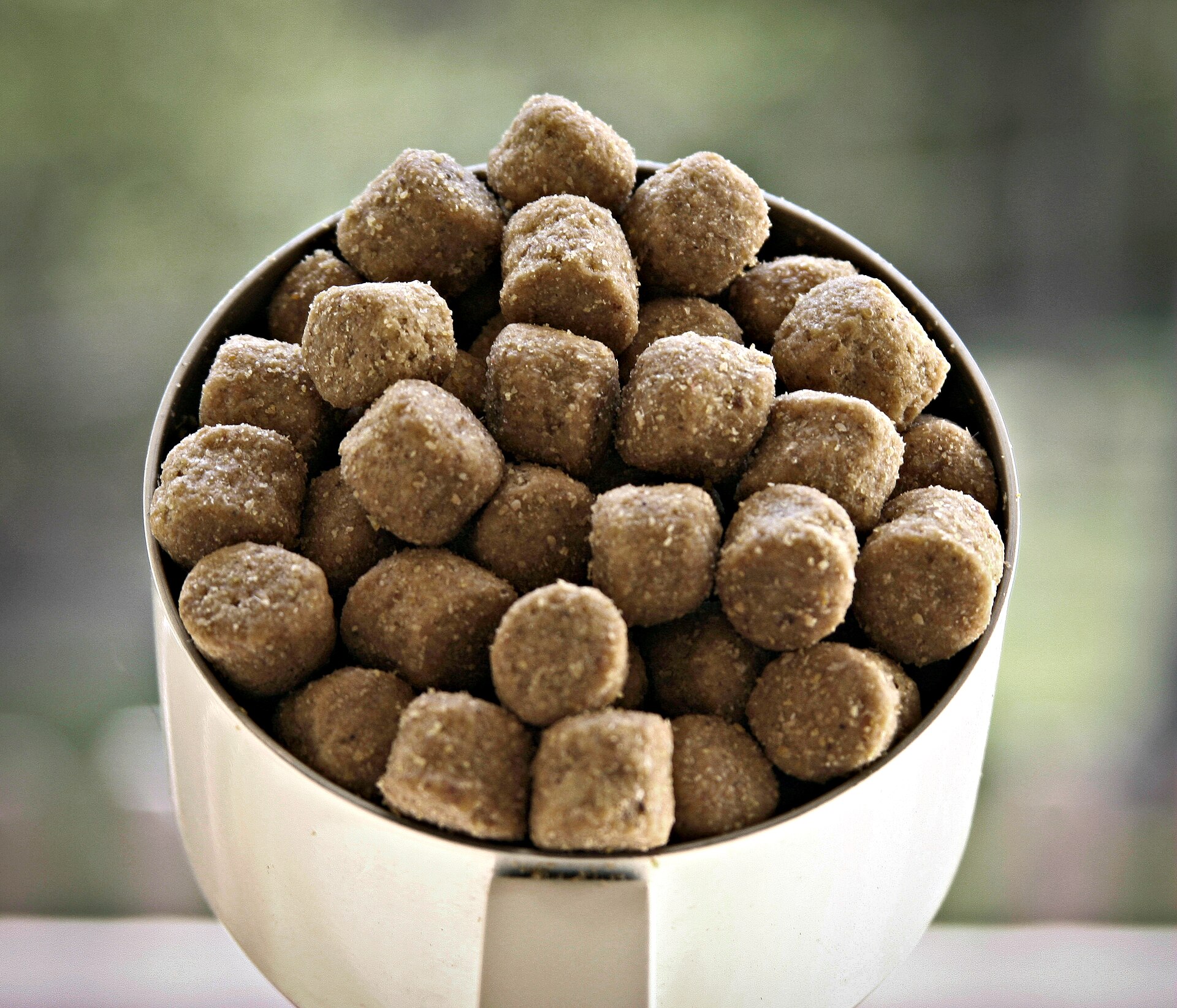
How to Transition Dog Food Without Stomach Upset
The safest way to switch dog food is gradually over about seven days: start with mostly the old food, increase the new food every few days, and slow down if your dog develops mild digestive changes. Keep portions consistent, avoid introducing new treats at the same time, and make sure fresh water is available.
A simple starting schedule is:
- Days 1–2: 75% old food and 25% new food
- Days 3–4: 50% old food and 50% new food
- Days 5–6: 25% old food and 75% new food
- Day 7 onward: 100% new food
That schedule is a guide, not a deadline. Dogs with sensitive stomachs may need 10–14 days or a veterinarian-directed plan. If a dog is vomiting repeatedly, has blood in the stool, seems weak or painful, cannot keep water down, or is a vulnerable puppy, senior, or medically complicated dog, contact a veterinarian rather than trying to solve it by adjusting percentages.
Why a sudden food change can upset a dog’s stomach
A dog’s digestive system adapts to the food it regularly receives. A new recipe can change the protein, fat, fibre, calorie density, ingredients, and how the food is processed. Switching everything in one meal gives the gut no adjustment period.
That does not mean the new food is automatically “bad” if the first stool is softer. It may mean the change was too fast, the portion was too large, or something else happened at the same time. It also does not prove the transition is the cause: parasites, scavenged food, infections, medication, stress, and health conditions can cause similar signs.
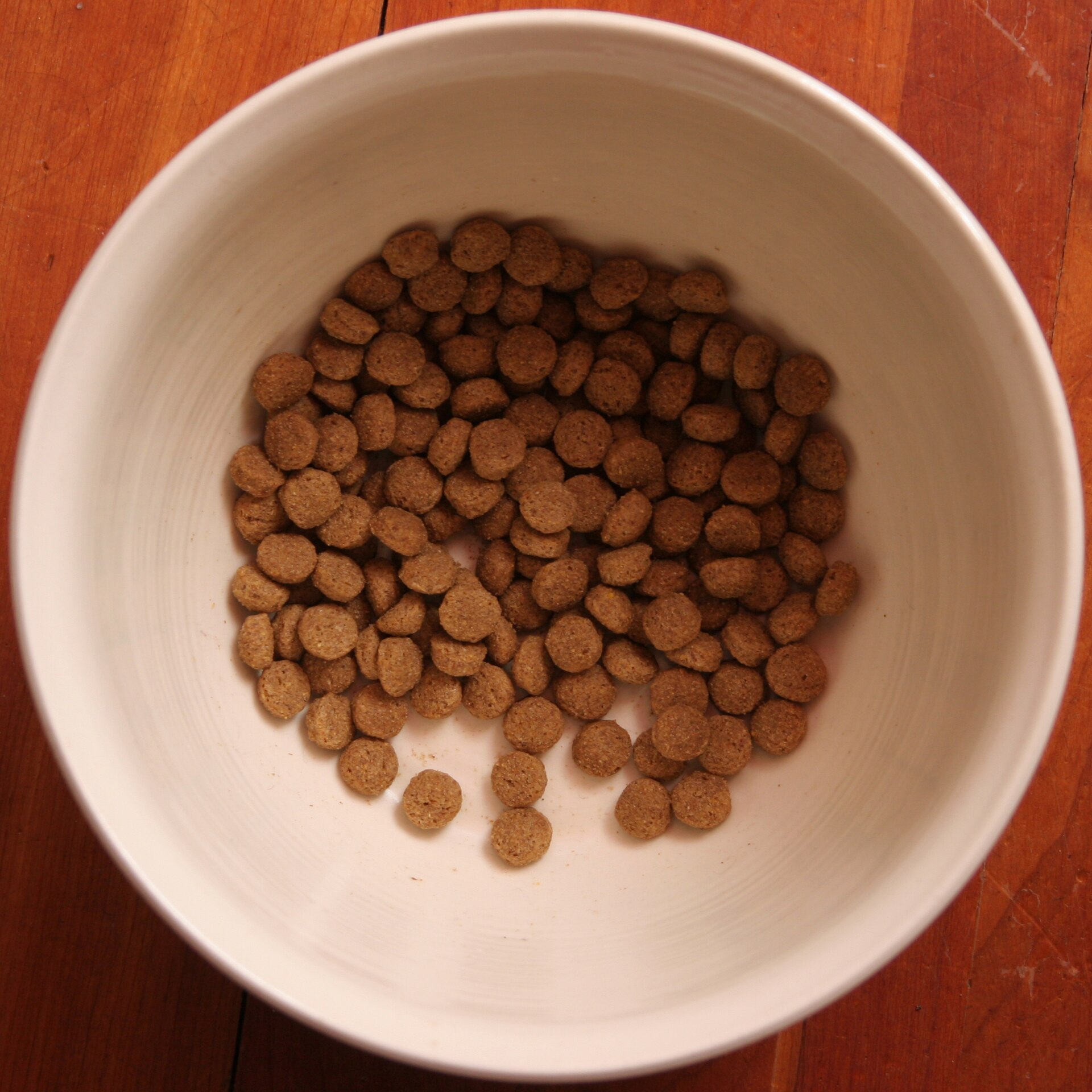
Use a gradual dog-food transition schedule
Mix the old and new foods by proportion at each meal. Measuring by weight is most accurate because differently shaped kibbles can fill a cup differently, but consistent level measures are still better than eyeballing.
| Transition stage | Old food | New food | |---|---:|---:| | Days 1–2 | 75% | 25% | | Days 3–4 | 50% | 50% | | Days 5–6 | 25% | 75% | | Day 7 onward | 0% | 100% |
If stools remain normal, appetite is steady, and your dog is comfortable, move to the next stage. If mild gas or soft stool appears but your dog otherwise seems well, stay at the current ratio for another day or two. If the change continues, go back to the last ratio your dog tolerated and call your veterinarian for guidance.
Do not use a generic schedule to override medical instructions. A veterinarian may recommend a faster switch to a therapeutic diet or a more cautious plan based on the dog’s condition.
Keep the daily calories steady
One of the easiest mistakes is replacing one scoop of old food with one scoop of new food. The two foods may not contain the same calories per cup or gram, so the dog can accidentally be overfed. Large, rich meals can create digestive trouble all by themselves.
Check the calorie statement and feeding guide on both packages. Estimate the dog’s total daily amount using the new food’s calorie density, then divide it across the normal number of meals. Package directions are starting points; body condition, activity, age, and veterinary advice matter too.
During the transition:
- keep meal times familiar
- measure food rather than free-pouring it
- count training treats and toppers in the daily intake
- avoid adding several new chews, supplements, or table scraps
- store both foods correctly and check expiry dates
Changing six things at once turns troubleshooting into detective work, except every suspect is wearing gravy.
Watch the dog, not just the calendar
Track appetite, stool consistency, vomiting, gas, energy, itching, and obvious discomfort. A quick note on your phone after each meal is enough. You are looking for a trend, not grading every bathroom trip like a tiny, terrible science fair.
Mild, brief stool softening can happen during a change. Persistent diarrhea, repeated vomiting, refusal to eat, marked lethargy, abdominal swelling, signs of pain, or blood are different. Those signs deserve veterinary advice, and some warrant urgent care.
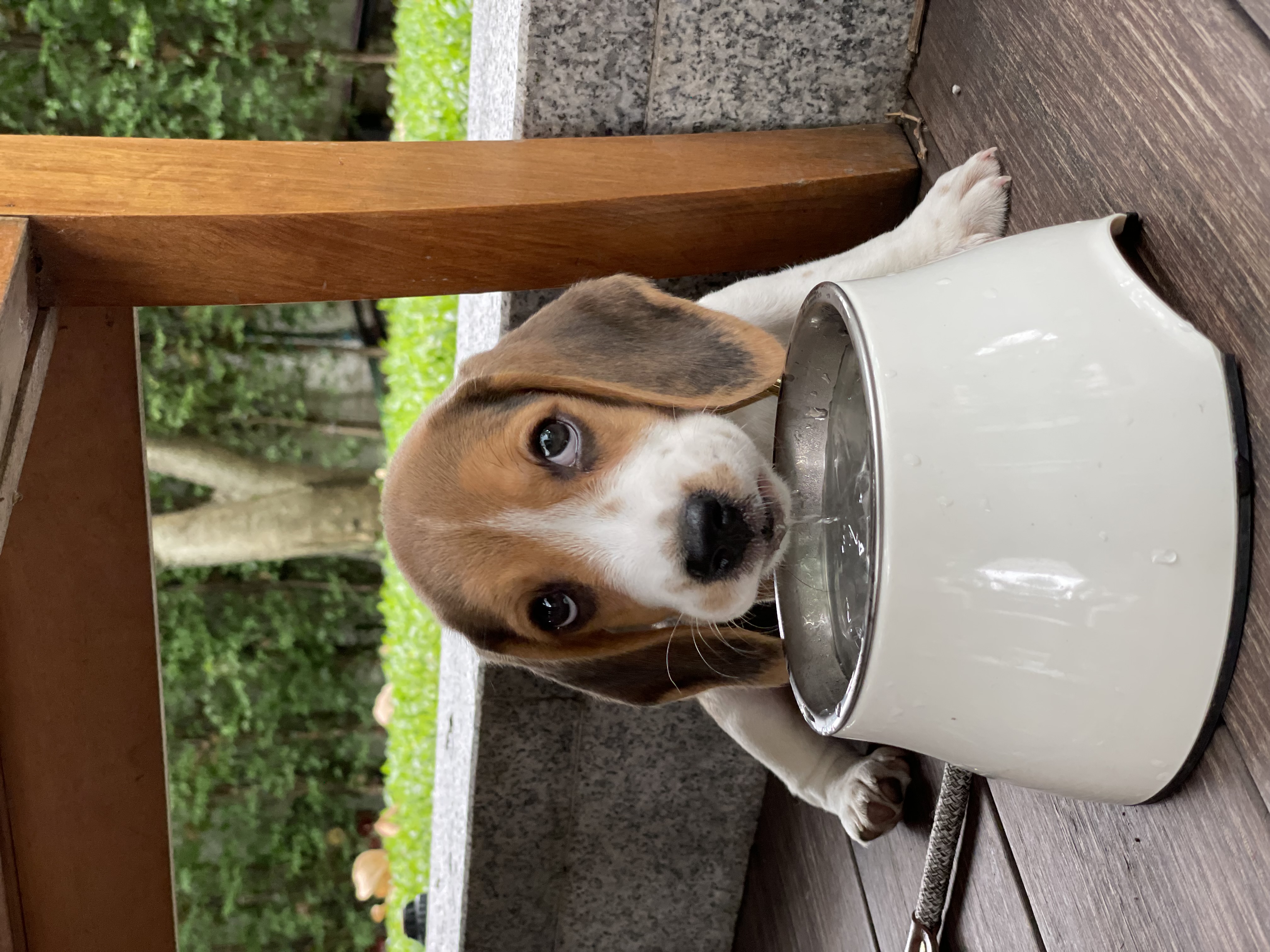
Fresh water should always be available unless a veterinarian has given different instructions for a specific medical reason.
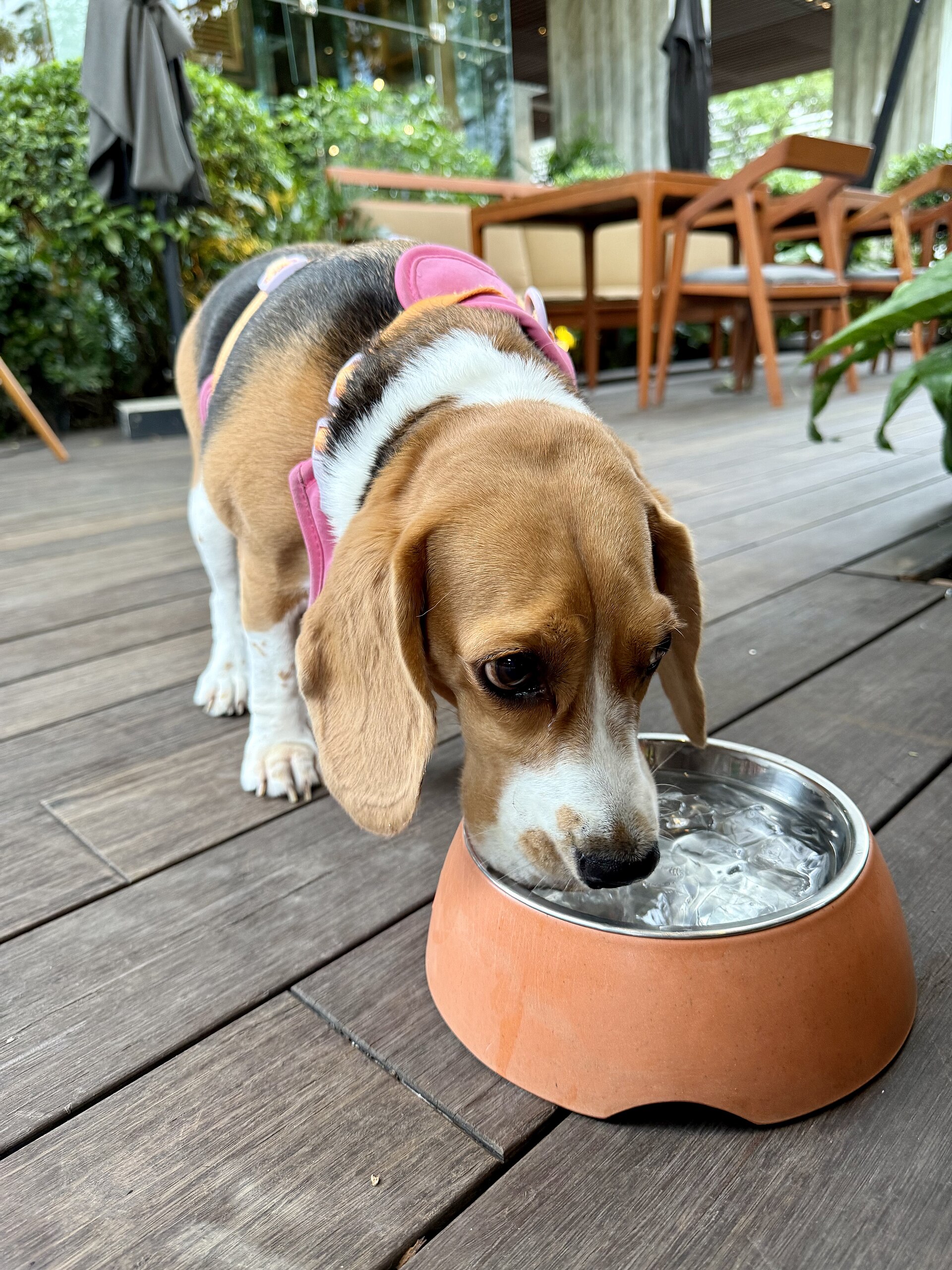
What if your dog eats too fast?
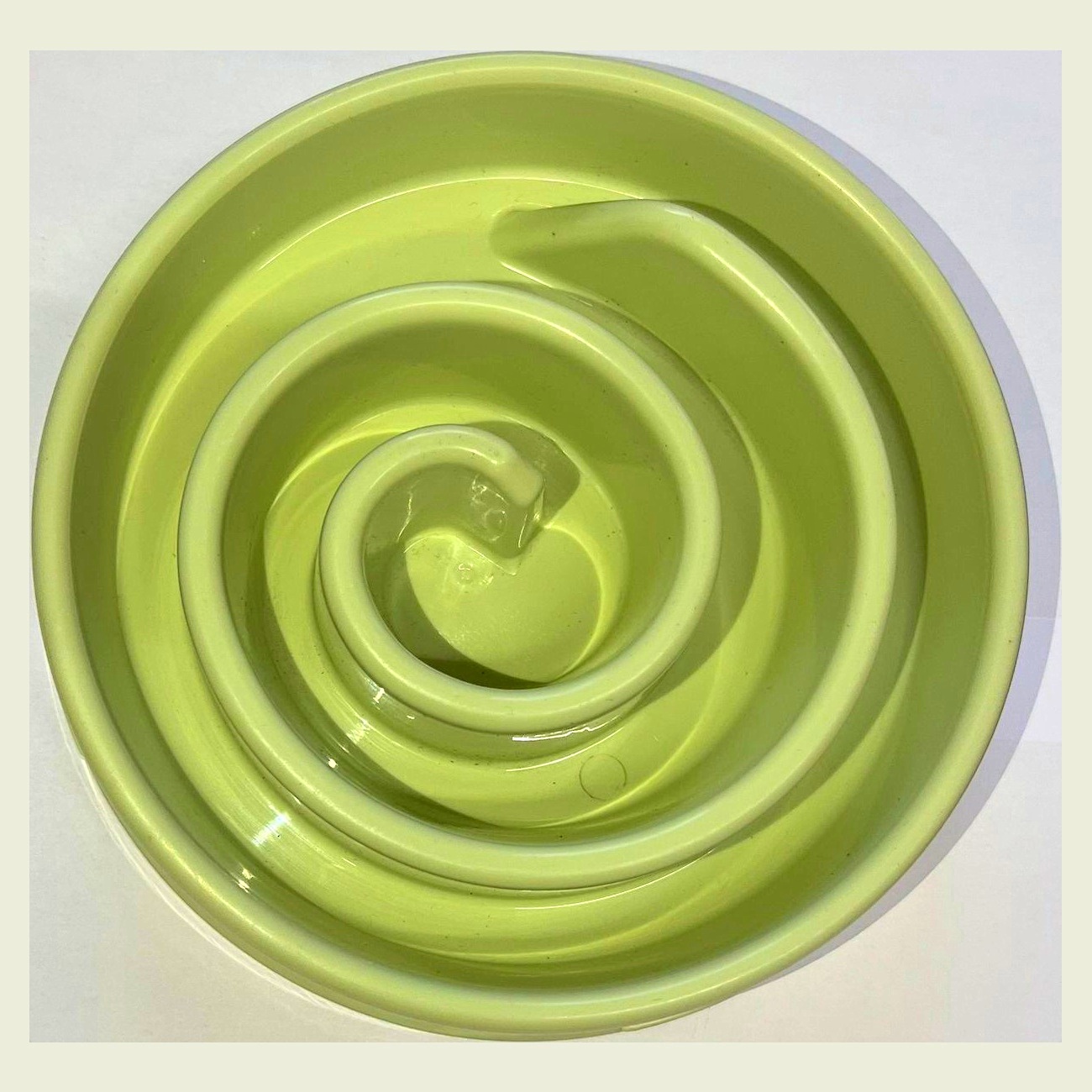
Speed-eating can complicate the picture because gulping food may be followed by regurgitation or discomfort. Feed measured portions in a calm space. A suitable slow-feeder bowl or food puzzle may help some dogs eat more slowly, but supervise its use and choose one that is safe for the dog’s muzzle, teeth, and eating style.
For dogs at risk of bloat or with a history of digestive disease, ask a veterinarian about meal size, exercise around meals, and feeding equipment. A bowl is not a treatment plan.
When should you slow down or stop the transition?
Pause at the current ratio—or return to the most recently tolerated ratio—when a dog has mild soft stool or gas but remains bright, hydrated, and interested in food. Contact your veterinarian if the signs do not settle promptly or recur whenever the new food increases.
Stop experimenting and seek prompt veterinary advice when you see:
- repeated vomiting or inability to keep water down
- frequent, watery, black, or bloody stool
- weakness, collapse, marked lethargy, or obvious pain
- a swollen or tight-looking abdomen, especially with unproductive retching
- signs of dehydration such as tacky gums or unusual weakness
- refusal of food accompanied by illness signs
- a possible food recall, spoiled food, toxin, or foreign-object exposure
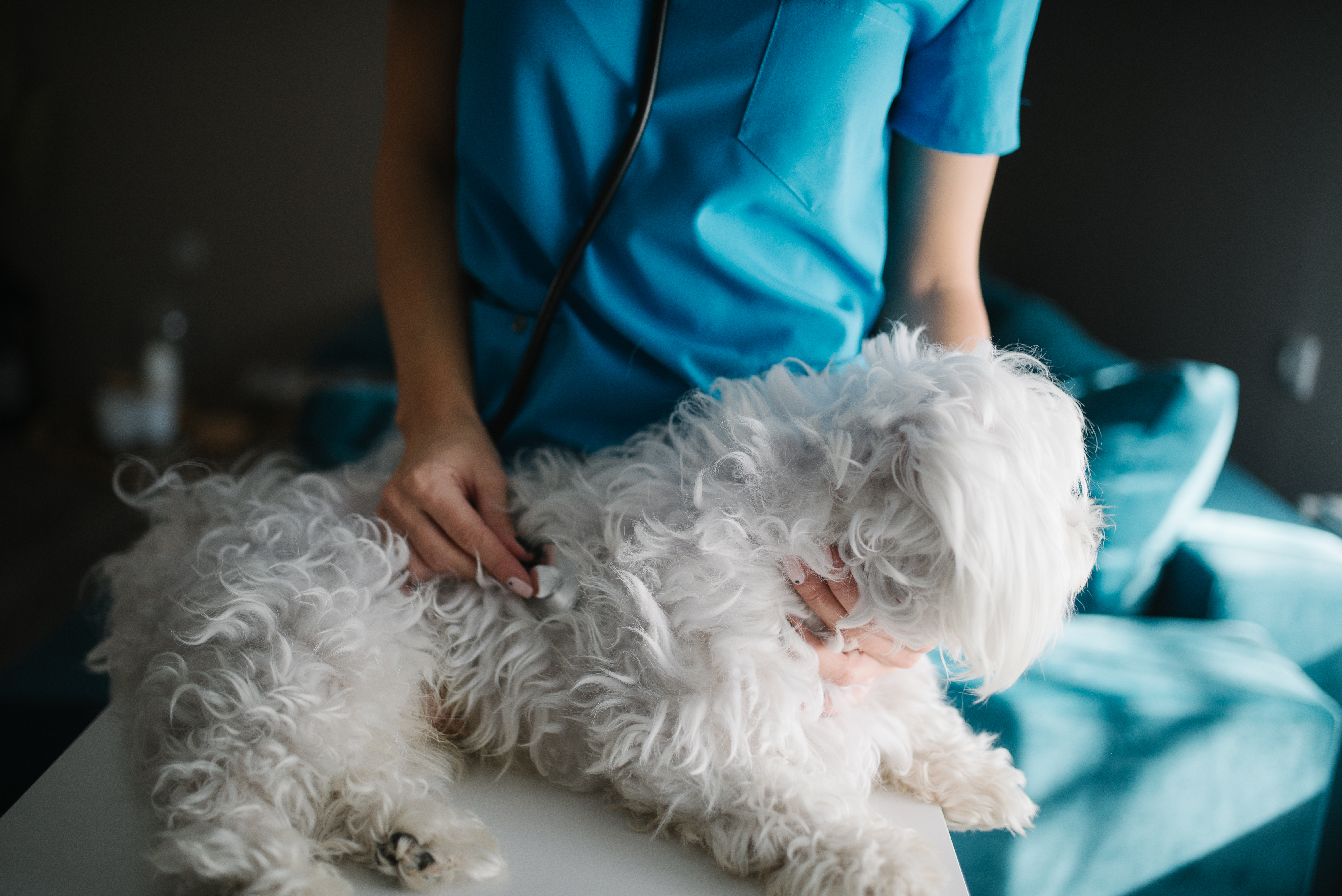
Puppies, very small dogs, seniors, pregnant dogs, and dogs with diabetes, pancreatitis, kidney disease, food-responsive illness, or other medical conditions can have less room for error. Call earlier.
Switching puppies, prescription diets, or foods after illness
Puppies need food appropriate for growth and their expected adult size. Because vomiting and diarrhea can dehydrate a puppy quickly, do not drag out home troubleshooting when a puppy seems unwell.
Prescription and therapeutic diets are used for specific medical goals. Ask the prescribing veterinary team how to transition, what treats are compatible, and what changes require a call. Quietly mixing in other foods can defeat the point of a carefully selected diet.
After vomiting, diarrhea, surgery, or another illness, follow the veterinarian’s refeeding instructions. The familiar seven-day chart may not fit the medical situation.
Common dog-food transition mistakes
Switching because the dog skipped one meal
Healthy dogs sometimes eat less because of heat, activity, stress, treats, or routine changes. Repeatedly offering something richer can teach selective eating and obscure an illness. Persistent appetite change deserves a veterinary conversation.
Adding pumpkin, probiotics, and toppers automatically
These are not universally appropriate, and amounts matter. Adding them during the same week as a new diet makes it harder to identify what helped or hurt. Ask your veterinarian before using supplements or home remedies, especially for a dog with health conditions.
Assuming “grain-free,” “natural,” or expensive means gentle
Marketing words do not predict whether an individual dog will tolerate a food or whether it is nutritionally appropriate. Start with a food intended to be complete and balanced for the dog’s life stage, then consider the dog’s medical needs and the manufacturer’s nutritional expertise. Our broader guide to choosing dog food covers that decision in more detail.
Running out of the old food
Buy the replacement before the bag is empty. Keep enough old food for the full transition, and save the package information and lot code until you know the new routine is working.
Frequently asked questions
How long does it take a dog to adjust to new food?
Many dogs can transition over about seven days, but sensitive dogs may need 10–14 days. The dog’s response matters more than finishing on a particular date.
Can I switch dog food brands but keep the same protein?
Yes, but use a gradual transition anyway. Recipes with the same named protein can differ in fat, fibre, calories, processing, and other ingredients.
Should I mix wet and dry food during the transition?
You can transition between formats, but calculate the portions using calories rather than matching scoop for scoop. If the combination is medically motivated, ask your veterinarian for the appropriate plan.
What should I do if my dog has diarrhea after changing food?
If it is mild and the dog otherwise seems well, hold at or return to the last tolerated ratio and contact your veterinarian if it persists or recurs. Seek prompt care for blood, repeated watery diarrhea, vomiting, weakness, pain, dehydration, or illness in a vulnerable dog.
Can I change a dog’s food immediately?
Sometimes a veterinarian recommends an immediate change for a medical reason. Otherwise, a gradual transition is generally easier on the digestive system.
Methodology and update note
This is a source-informed editorial guide, not individualized veterinary advice. The transition structure and safety language were checked against current public dog-nutrition guidance, including the American Kennel Club’s food-switching guidance and general veterinary nutrition principles. No first-party Google Search Console or GA4 evidence was available, so no performance claims are made. Review the advice if veterinary nutrition guidance changes, and use a veterinarian who knows the individual dog for medical decisions.