Dogs Life: Great Pyrenees — A Purpose-Bred Life in Its Prime
I was born beneath a stone roof on the French side of the Pyrenees, late in the nineteenth century, when wolves still made a shepherd count his sheep twice: once at dusk and once at dawn.
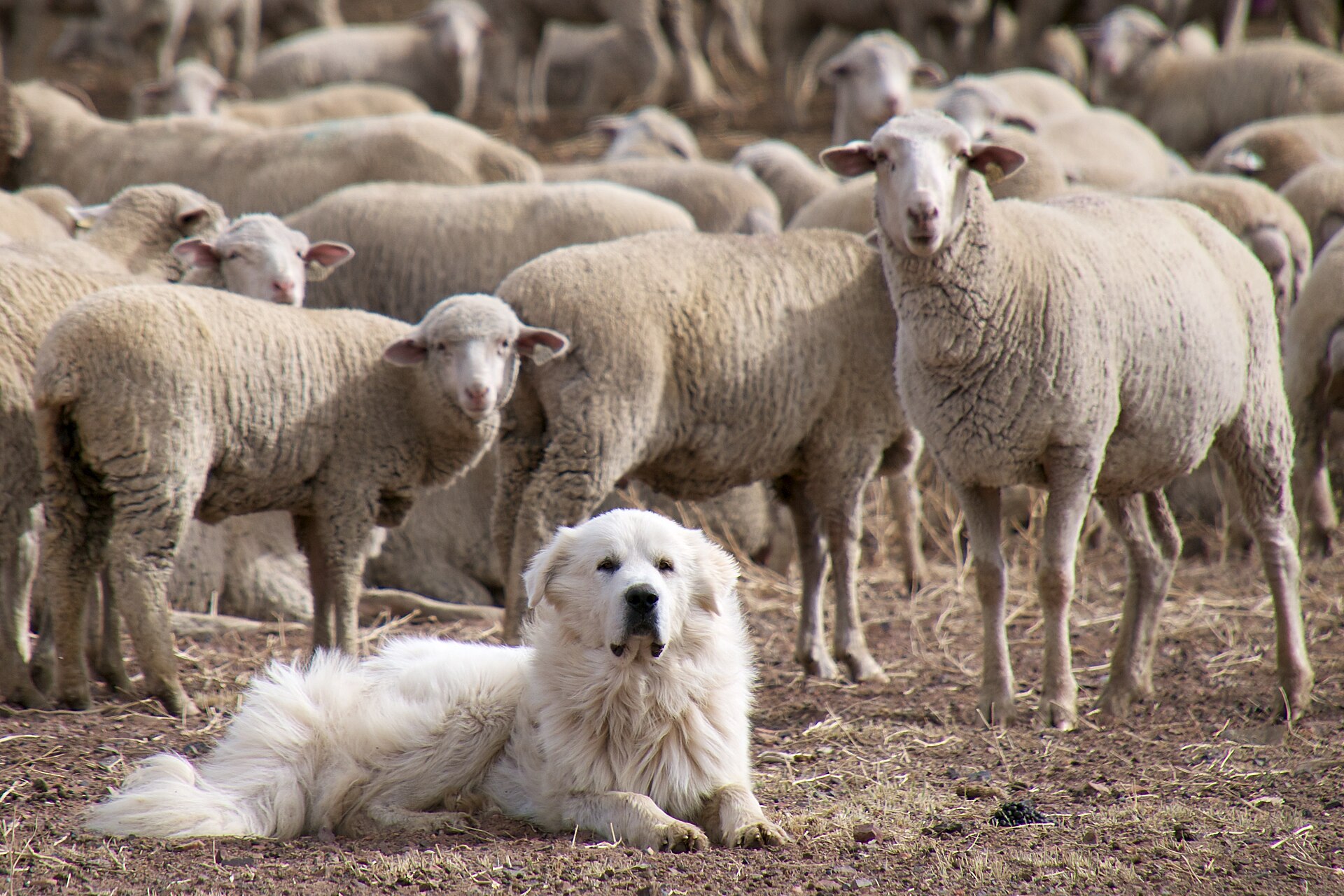
The people called dogs like me patous. Far away, in another language and another century, I would be called a Great Pyrenees. On our mountain, I needed no grand name. I was the white dog that slept among the sheep, woke when they shifted, and put my body between the flock and whatever waited beyond the firelight.
This is a historically grounded composite story rather than the record of one documented dog. But the work was real. For centuries, Pyrenean Mountain Dogs lived with flocks, guarded them with little human supervision, moved between winter valleys and summer heights, and faced predators that could erase a family’s livelihood in a single night.
I Was Born for the Flock
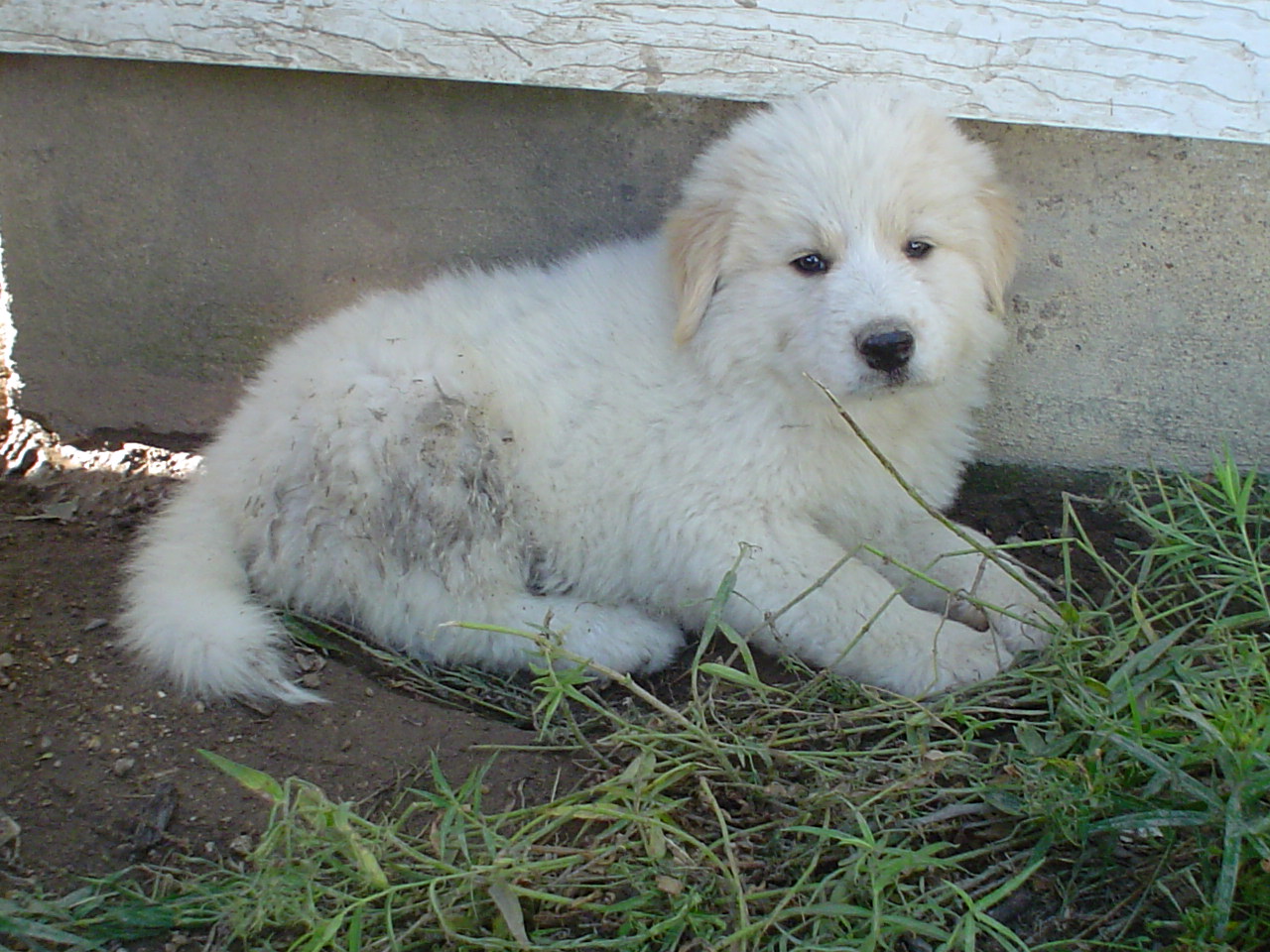
My first world smelled of milk, damp wool, woodsmoke, and old straw. My mother lay in the middle of it, broad and quiet. Sheep breathed on the other side of the hurdles. Lambs cried, and before I understood anything else, their voices belonged to home.
The shepherd, Étienne, did not teach me to chase sheep. That would have made me useless. A herding dog moves a flock by pressure. My work was different: live inside its peace, notice what did not belong, and meet danger before panic broke loose.
I grew among lambs because calmness around livestock mattered as much as courage against predators. A dog that frightened, worried, or injured the animals cost the family instead of serving it. The useful pups were steady. We watched before acting. We accepted the flock as our own company.
That was not an accident. Generations of mountain people kept dogs that could be trusted beside vulnerable stock. They favored size without clumsiness, strength without needless aggression, vigilance without constant handling, and an independent mind capable of making a decision when the shepherd was far down the slope.
My white coat was part of that inheritance. It made me easy for Étienne to distinguish among the sheep and from a dark predator in poor light. Under the long outer hair, a dense undercoat held warmth close to my skin. Wind could rake the ridge all night and snow could gather along my back, but the cold did not drive me from my post.
Even my hind legs carried the mark of the mountains: the breed’s characteristic double dewclaws. People have offered many practical explanations for them, especially traction on steep ground. What can be said with confidence is simpler: mountain dogs with that distinctive structure were preserved until it became part of the breed itself.
Learning Without Waiting for Commands
Étienne gave me boundaries, correction, food, and trust. My mother and the older guardian gave me the deeper lessons.
Do not rush at every sound. Do not waste strength barking at weather. Walk the flock’s edge. Smell the wind. Notice when sheep stare in one direction. Rest when the mountain rests, because darkness brings work.
I learned that a fox carried itself differently from a wandering goat. I learned the scent of Étienne’s family, the village dogs, mule sweat, wet stone, and the iron tang that sometimes arrived before a storm. I learned that danger often announced itself through the flock: heads lifted together, chewing stopped, bodies tightened.
People later called my kind stubborn. On the mountain, blind obedience would have been the stranger trait. A guardian stationed beyond a shepherd’s sight could not wait for permission while a wolf tested the flock. The same independence that made me slow to accept a pointless order made me valuable when no order could reach me.
Étienne did not need me at his heel. He needed me where he was not.
Up to the Summer Pasture
In winter we grazed lower, where the valley gave some shelter. When the snow withdrew and the upper grass returned, people and animals climbed toward the summer pasture.
The flock stretched along the path in a moving river of wool. Bells struck different notes. Hooves loosened stones that clicked downhill. Étienne carried what he needed; the mountain supplied nothing cheaply. Every ewe represented food, fiber, breeding stock, and money. Losing one was not an abstract tragedy. It was less cheese, less wool, fewer lambs, and a harder winter for the household.
I ranged along the edges, never driving the sheep, always counting them in the only way a dog can: by scent, movement, and the shape of the group. When a lamb lagged, I slowed. When the path narrowed, I moved to the outside. My body was a wall where a fall could begin.
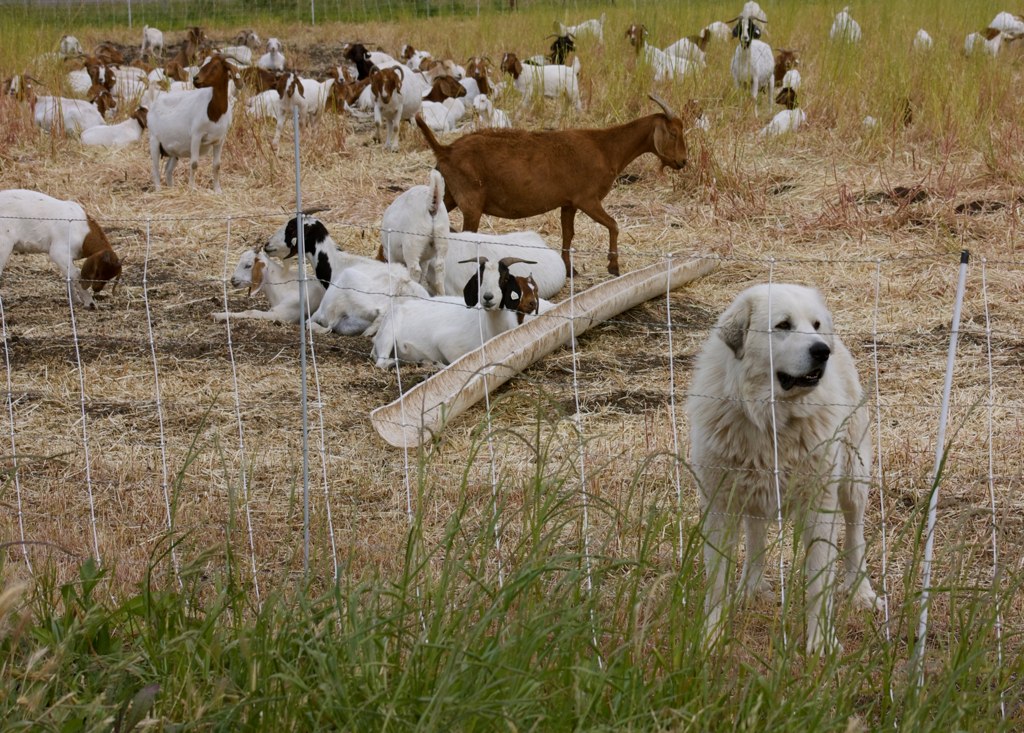
At the high grazing ground there were no fences worthy of the name and no lamps beyond our fire. The sheep spread over open country by day. Étienne could not stand beside every animal, and he had other work besides staring into the distance. My presence gave him reach. One shepherd and a capable guardian could protect more ground than one man alone.
The Long Work Began at Dusk
Daylight made the mountains look honest. Night corrected that impression.
After sunset, cold air poured down the slopes. The sheep settled close, their breath sweet with grass. Bells quieted one by one. Étienne’s fire became a red eye among black ridges.
That was when I rose.
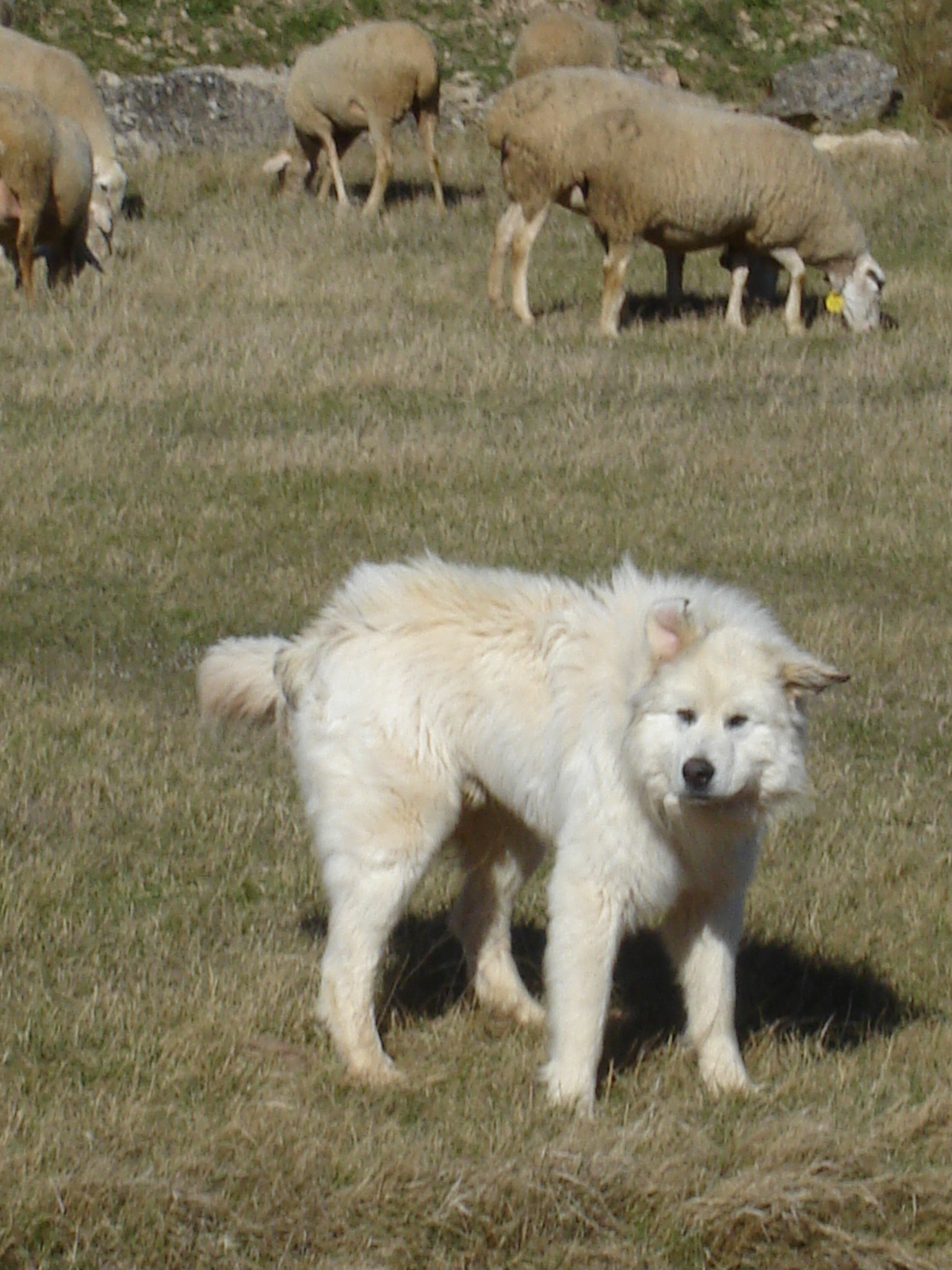
My breed was selected for nocturnal alertness because predators often worked in darkness. I walked broad circles around the flock, stopped to listen, then moved again. I barked not from confusion but as a warning: this ground was occupied, this flock defended, the white shape on the ridge was awake.
Most victories left no wound and no carcass. A predator heard me, smelled me, measured the cost, and chose another direction. Deterrence was the cleanest form of protection. It saved the sheep and spared me a fight.
But some nights required more.
The Wolf Beyond the Stones
One autumn night, the flock rose before I heard the sound. A wave moved through their bodies. Then came a scrape above us and the musky scent of a wolf on the wind.
I ran toward it barking, not away with the sheep. That reversal was the heart of my work.
The wolf stood beyond a broken line of stone, low and still. I did not imagine him evil. He was hungry, and hunger has no argument. But the sheep were Étienne’s winter made flesh, and I had been bred to make them expensive prey.
I planted myself between wolf and flock. My coat lifted around my neck and shoulders, making my outline larger. I advanced enough to show certainty. Behind me, Étienne woke and shouted. Another guardian answered from farther along the slope.
The wolf withdrew.
There was no glorious battle, because successful guardianship was not a tale told for applause. Étienne checked the flock until dawn. No sheep were missing. He pressed his forehead briefly against mine, smelled of smoke and fear, and returned to work.
That quiet count—none lost—was the value I delivered.
What the Mountain Had Bred Into Me
My daily life was shaped by choices made long before my birth.
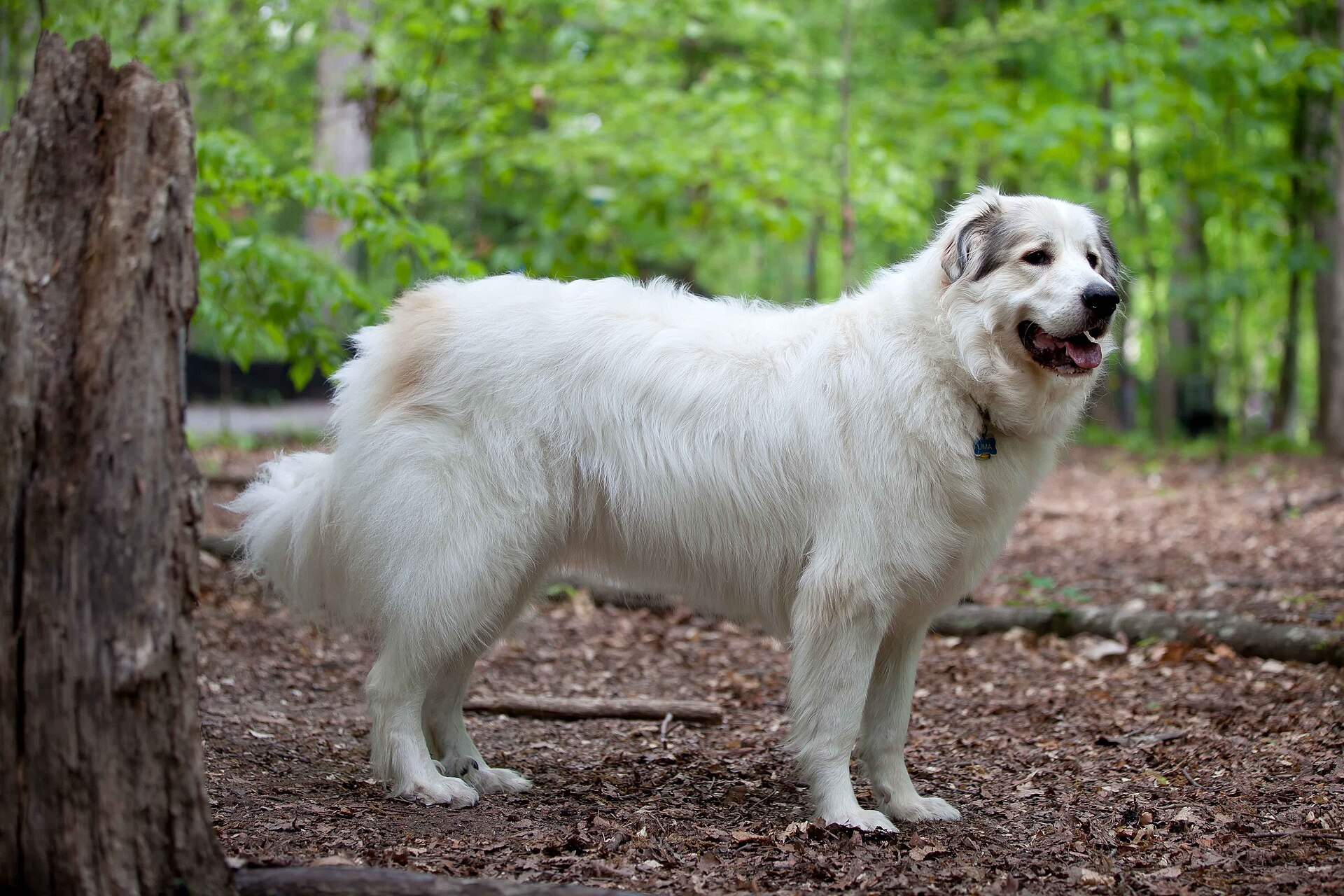
People preserved a large, powerful dog because wolves and bears were not discouraged by delicacy. They preserved agility and endurance because a guardian had to cover broken slopes, not merely look imposing at a doorway. They preserved a weather-resistant double coat because protection that vanished in snow was no protection at all.
They kept dogs that were gentle with the flock, composed around familiar people, and suspicious of an approach that did not fit. They valued excellent sight and scent, a strong voice, and the habit of watching at night. Above all, they preserved independent judgment.
Each trait carried a cost. My coat collected burrs and mud. My night watch meant sleep came in pieces. My independence did not make me easy to command for command’s sake. My bark could wake a valley.
But breeds were not originally designed to be convenient ornaments. They were working agreements between human need, animal ability, and place. The mountain asked a brutal question: can this flock survive beyond one man’s reach? My body and temperament were the answer people built over generations.
Étienne and I Were Partners, Not Copies
Étienne knew markets, weather, lambing, pasture, and the temper of neighboring men. I knew what moved after dark.
He chose our route and managed the flock. I guarded its margins. He treated an injured ewe. I kept the others settled while he worked. He understood the year. I understood the next sound.
We did not perform the same task, and that was precisely why the partnership worked.
He trusted me enough to sleep. I trusted him enough to eat from his hand and accept his decisions in daylight. Between us, fewer animals disappeared, the flock could graze farther from the village, and his family kept more of what its labor produced.
The practical value of a livestock guardian was measured in living animals. It was also measured in human attention returned. Every hour Étienne did not spend standing awake at the flock’s edge could be spent mending, milking, moving stock, caring for family, or sleeping before the next climb.
My Last Seasons
Age arrived first in my recovery. The ridges felt steeper after a hard night. I chose my ground more carefully. A younger dog began taking the widest circles, and I let him.
I taught him without speeches. He watched where I lay, when I lifted my head, which scents brought me to my feet, and which noises I ignored. When he rushed foolishly, I blocked him. When he warned correctly, I joined his bark.
My world narrowed from the far boundary to the fold, then from the fold to the shepherd’s doorway. That, too, belonged to our old pattern. A patou not working the high flock might lie at the entrance to the family dwelling, guarding the smaller circle that remained.
Étienne’s children had grown with their hands in my coat. The youngest once slept against my ribs while rain hammered the roof. Years later, he brought me broth when my teeth hurt and lifted the bowl so I did not have to stand.
I had guarded the animals that fed them. In the end, they guarded me.
What I Left on the Mountain
I left no monument. Working dogs rarely do.
I left lambs that became ewes, nights in which the flock stayed whole, and a younger white guardian who learned to pause before he charged. I left Étienne mornings without blood in the grass. I left his family wool, milk, cheese, breeding stock, and the thin but vital margin between subsistence and loss.
Long after my own tracks vanished, people would still recognize the shape the work had made: the white coat, heavy frame, calm manner, night voice, reserve with strangers, and stubborn willingness to decide alone.
Call it the Great Pyrenees. Call it the Pyrenean Mountain Dog. Call it patou.
The truest name was the one the sheep understood when darkness moved beyond the stones: the dog who stayed.
Historical Note and Sources
This story places a composite working dog in the French Pyrenees in the late nineteenth century, before the breed’s working role declined with changing predator populations and before formal breed standards were consolidated in the early twentieth century. Specific scenes and the names of the dog and shepherd are narrative inventions; the seasonal flock movement, night guarding, independence, coat, flock-safe temperament, and predator-deterrence role are grounded in breed histories and standards.
- American Kennel Club, “Great Pyrenees History: From Pastures to Palaces”
- Great Pyrenees Club of America, “History of the Great Pyrenees”
- Fédération Cynologique Internationale, Pyrenean Mountain Dog breed standard