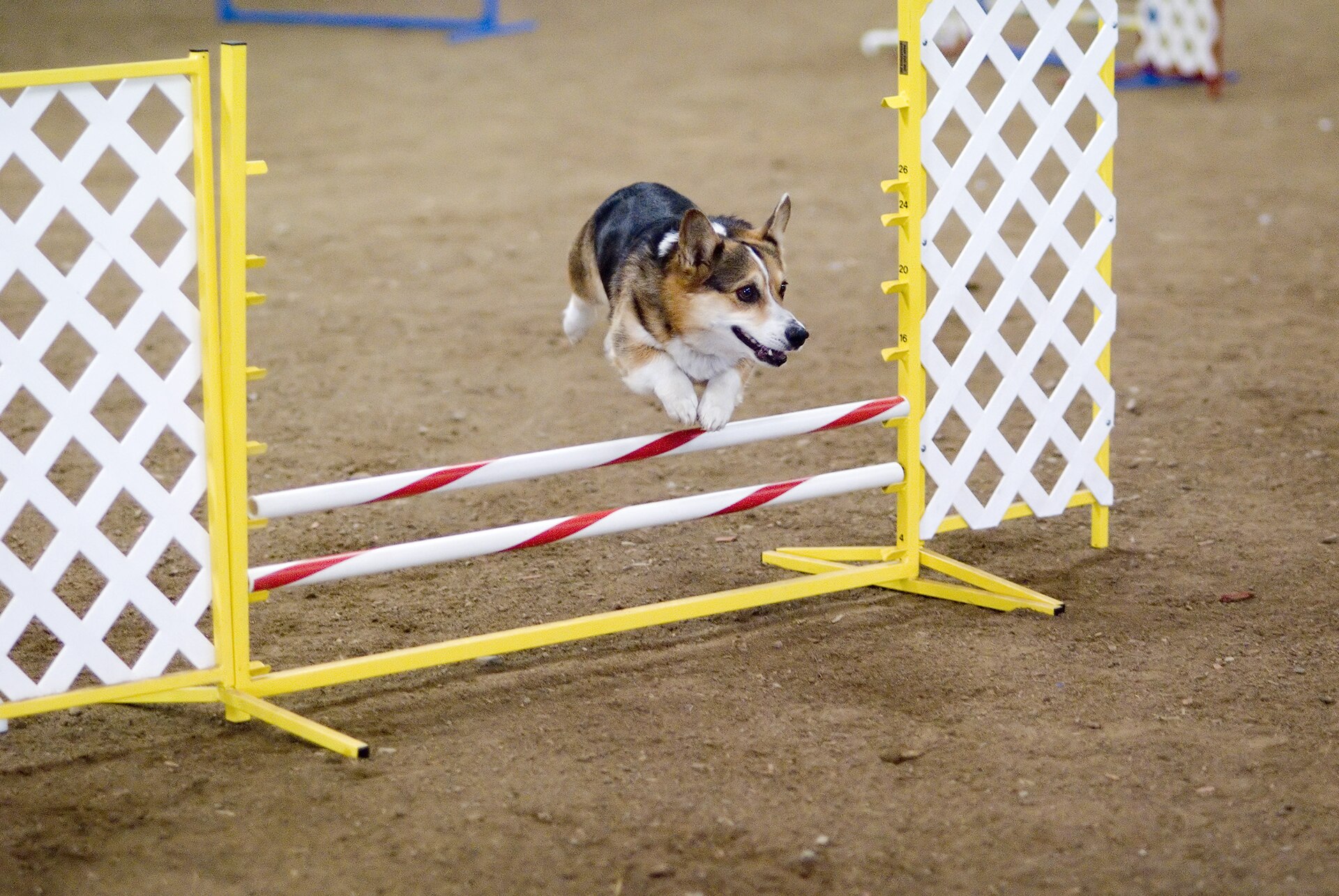
Dog of the Day: Pembroke Welsh Corgi
The Pembroke Welsh Corgi looks like a cheerful small companion assembled from spare parts: foxlike face, upright ears, long body, and legs that appear to have lost an argument with the floor. Underneath the charm is a serious cattle-herding dog—bright, athletic, vocal, and very willing to manage a household that never advertised for middle management.
The short version: a Pembroke Welsh Corgi can be a funny, affectionate, highly trainable companion for an involved owner. The breed is less ideal for someone wanting a quiet lapdog, a low-shedding coat, or a dog satisfied with an occasional walk around the block.
Pembroke Welsh Corgi quick facts
- Origin: Wales
- Original purpose: moving and controlling cattle
- Height: about 10–12 inches at the shoulder
- Weight: typically up to 30 pounds for males and 28 pounds for females
- Life expectancy: commonly 12–13 years
- Coat: weather-resistant double coat
- Colors: red, sable, fawn, or black and tan, often with white markings
- Temperament: alert, affectionate, confident, clever, and active
- Shedding: regular, with heavier seasonal coat loss
- Best fit: owners who enjoy training, daily activity, and a dog with opinions
These are breed-level guideposts, not a promise about one puppy. Size, confidence, sociability, energy, and health vary with genetics, early experience, age, and the individual dog.
What is a Pembroke Welsh Corgi really like?
Pembrokes tend to be engaged with their people and quick to notice changes around them. Many learn household routines before the humans do. They often enjoy training because solving a problem can be rewarding in its own right—although food makes a compelling legal argument.
The same traits can create friction. A bored Corgi may bark at hallway noises, invent patrol duties, chase movement, or use its mouth around ankles. Those behaviors are not defects randomly bolted onto the breed. They are modern echoes of an alert, low-set herder expected to influence livestock much larger than itself.
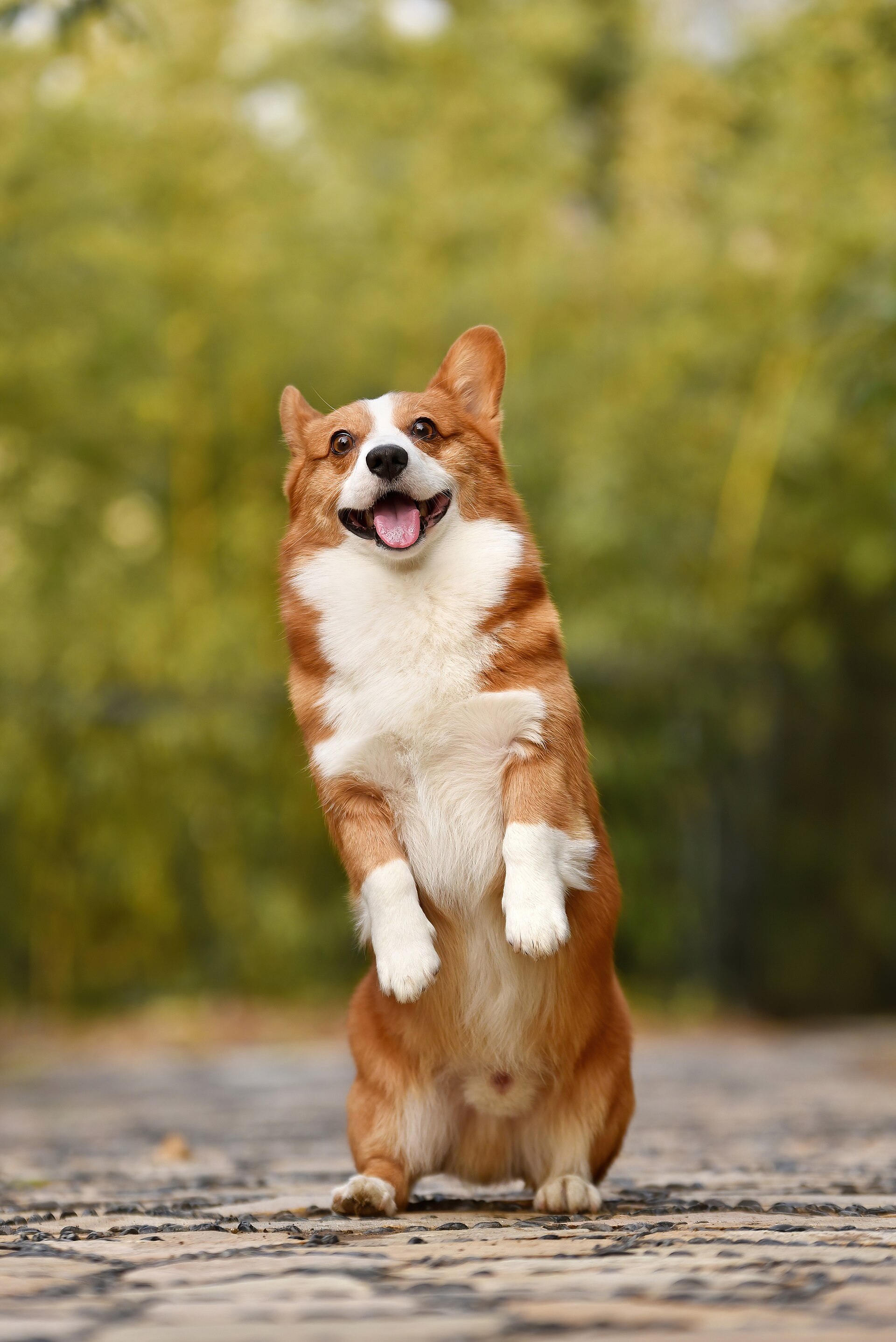
Many Pembrokes are affectionate without being passive. They may follow family members, request involvement, and then object when the meeting proceeds without them. Early, positive exposure to people, dogs, handling, surfaces, sounds, and quiet time helps a puppy become adaptable rather than merely busy.
Who does this breed fit?
A Pembroke can fit well with an owner who:
- wants a compact dog with working-dog intelligence
- will provide purposeful walks, play, training, and sniffing opportunities
- can live with shedding and regular brushing
- enjoys teaching manners instead of relying on the dog to “grow out of it”
- will manage barking, chasing, and herding behavior consistently
- can keep the dog lean and avoid careless repetitive jumping
The breed may be a poor match for someone who needs a consistently quiet dog, dislikes loose hair, cannot provide daily engagement, or assumes short legs mean low energy. Apartment living can work when exercise and barking are handled thoughtfully; a large yard does not train or entertain a dog by itself.
Pembrokes can live successfully with children and other pets, but supervision and introductions matter. Children should not climb on, chase, or corner any dog. Because some Corgis try to control fast movement, adults should interrupt ankle-chasing calmly and teach an alternative behavior rather than treating nipping as comedy until it stops being funny.
From Welsh cattle dog to worldwide celebrity
The Pembroke Welsh Corgi developed in Wales as a practical farm dog. Its low height helped it work near cattle while staying below the reach of many kicks, and its quickness, courage, and alertness helped it move stock and assist around the farm. The exact story of its distant ancestry contains debate and folklore, but the breed’s herding purpose is not in doubt.
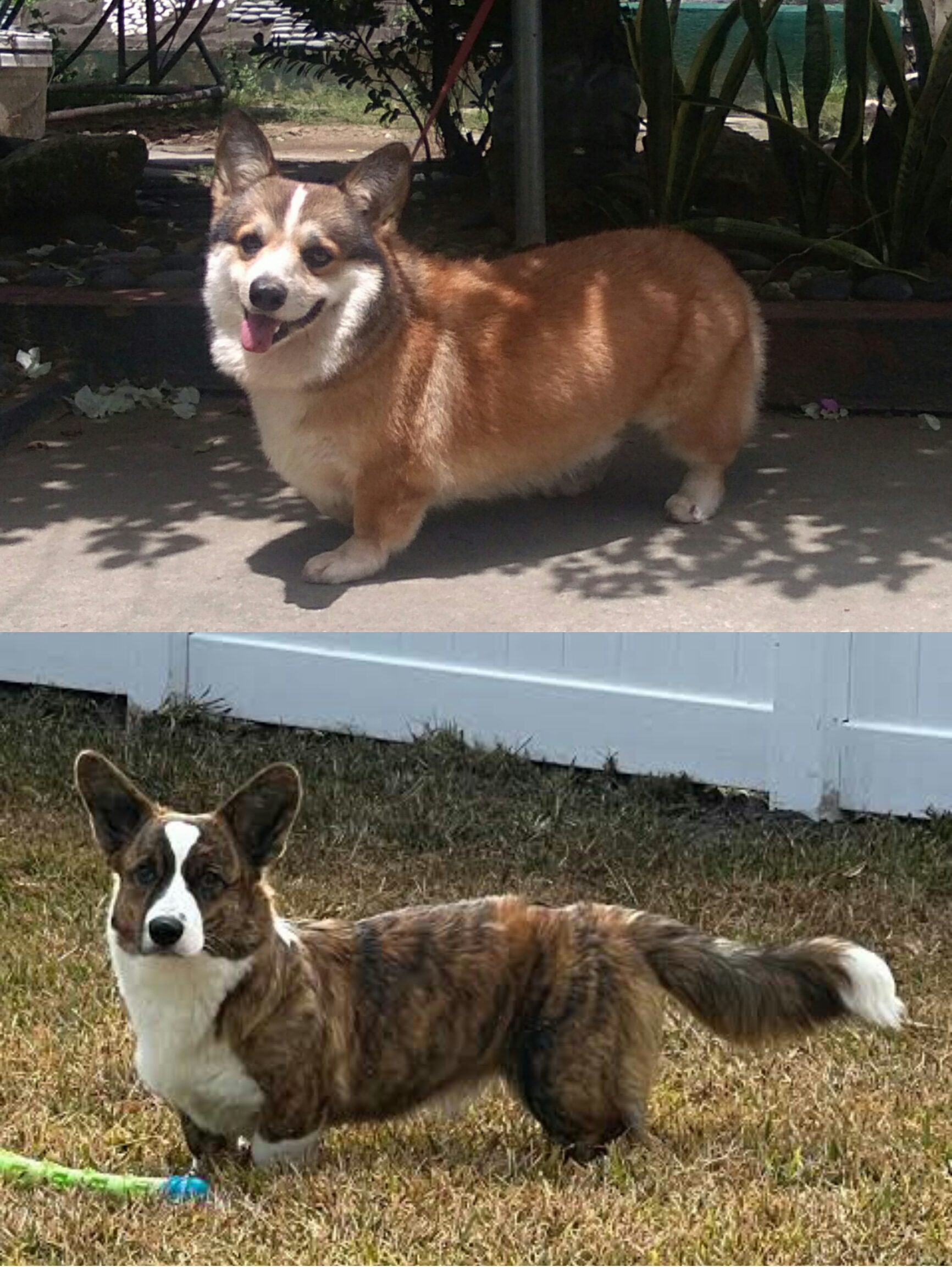
Pembrokes and Cardigan Welsh Corgis were once treated together in the show world, but they are distinct breeds with different histories and physical details. A tail alone is not a reliable identification rule: natural tail length varies, docking laws and practices differ, and Cardigans also differ in structure, ear shape, color range, and ancestry.
The Pembroke later became internationally famous through its association with Queen Elizabeth II. Royal visibility made the silhouette instantly recognizable, but celebrity can flatten a working breed into a cute image. The better way to understand a Corgi is to remember the farm dog first and the internet celebrity second.
Owner reality: a small dog with a full-size work ethic
Pembrokes are physically compact, not temperamentally miniature. Most need daily exercise plus something that makes them think. A brisk walk, reward-based training, controlled fetch, scent games, herding-style activities, or appropriately designed dog sports can all contribute.
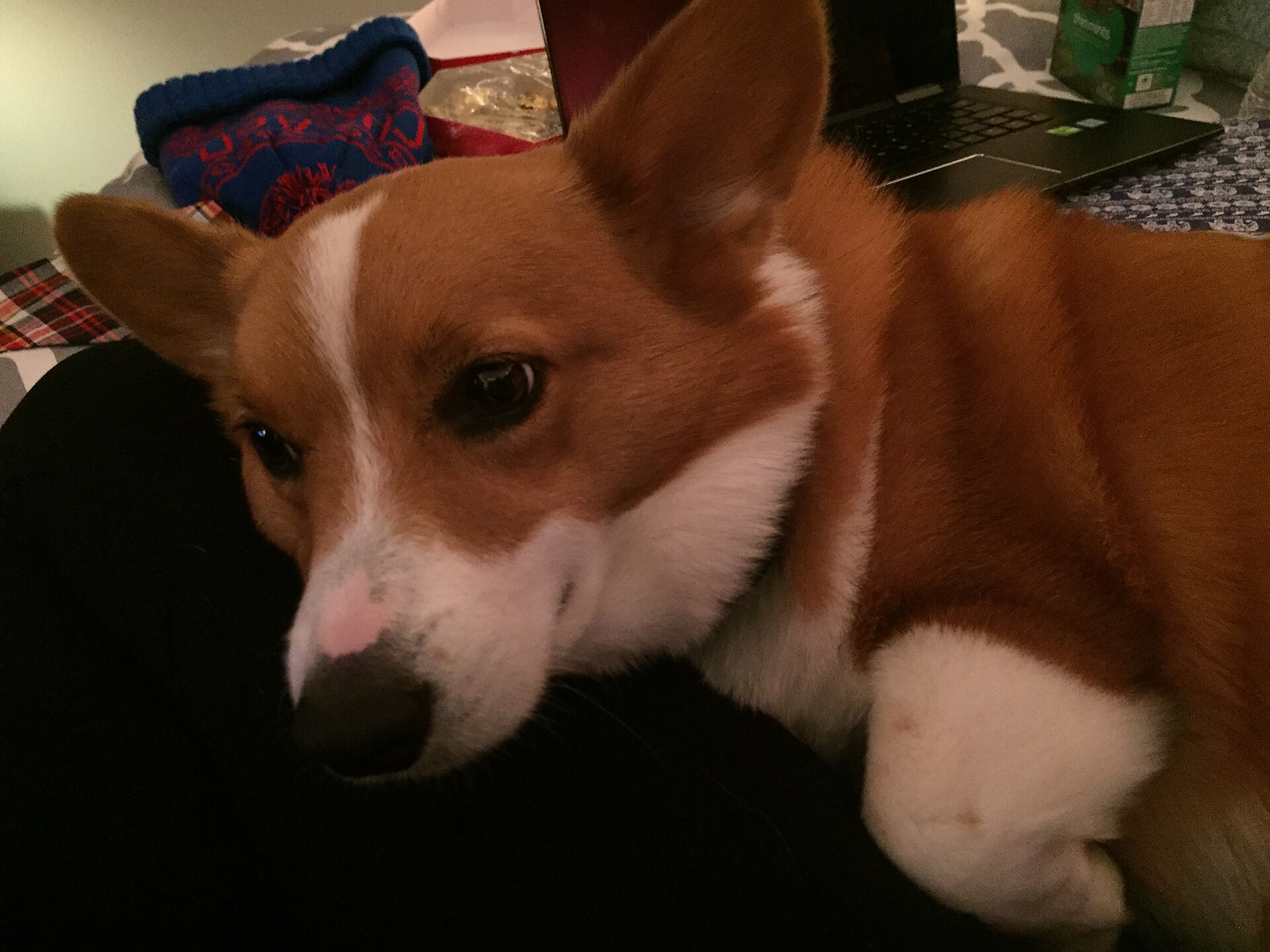
Exercise should suit the individual dog’s age, conditioning, structure, and health. Puppies are still developing, and older dogs may need shorter, lower-impact sessions. Repeated high jumping, uncontrolled stair racing, and excess body weight add needless stress to a long-backed, short-legged body. There is no universal minute count that fits every Corgi.
Mental work does not need to become a second career. Try five-minute training sessions, food-search games using part of a meal, toy searches, pattern games on walks, or calm place training while dinner is prepared. The goal is a dog that can work and then settle—not a canine endurance project that requires increasingly heroic entertainment.
Training notes that make Corgi life easier
Start with skills that solve daily problems:
- Name response and check-ins: reward the puppy for turning toward you before the environment becomes difficult.
- Recall: practice in easy places and use a leash or long line where the area is not securely fenced.
- Loose-leash walking: reward position and connection instead of letting pulling rehearse itself.
- Settle on a mat: teach that quiet behavior also earns reinforcement.
- Leave it and drop: useful for a curious dog low enough to inspect every sidewalk buffet.
- Cooperative handling: pair brushing, nail care, ear checks, and body handling with calm rewards.
Reward-based methods suit a quick learner and preserve trust. If barking, guarding, fear, chasing, or nipping is escalating, get help early from a qualified reward-based trainer or veterinary behavior professional. Severe or sudden behavior changes also warrant a veterinary check.
Dogthread’s puppy training schedule provides a useful foundation, while the loose-leash walking guide helps turn daily outings into something less like waterskiing behind a loaf of bread.
Coat, grooming, and everyday care
The Pembroke’s double coat sheds throughout the year and often more heavily during seasonal coat changes. Regular brushing removes loose undercoat and helps you spot skin irritation, lumps, parasites, or tenderness. Baths can be occasional and need-based; harsh or excessive washing can irritate skin.
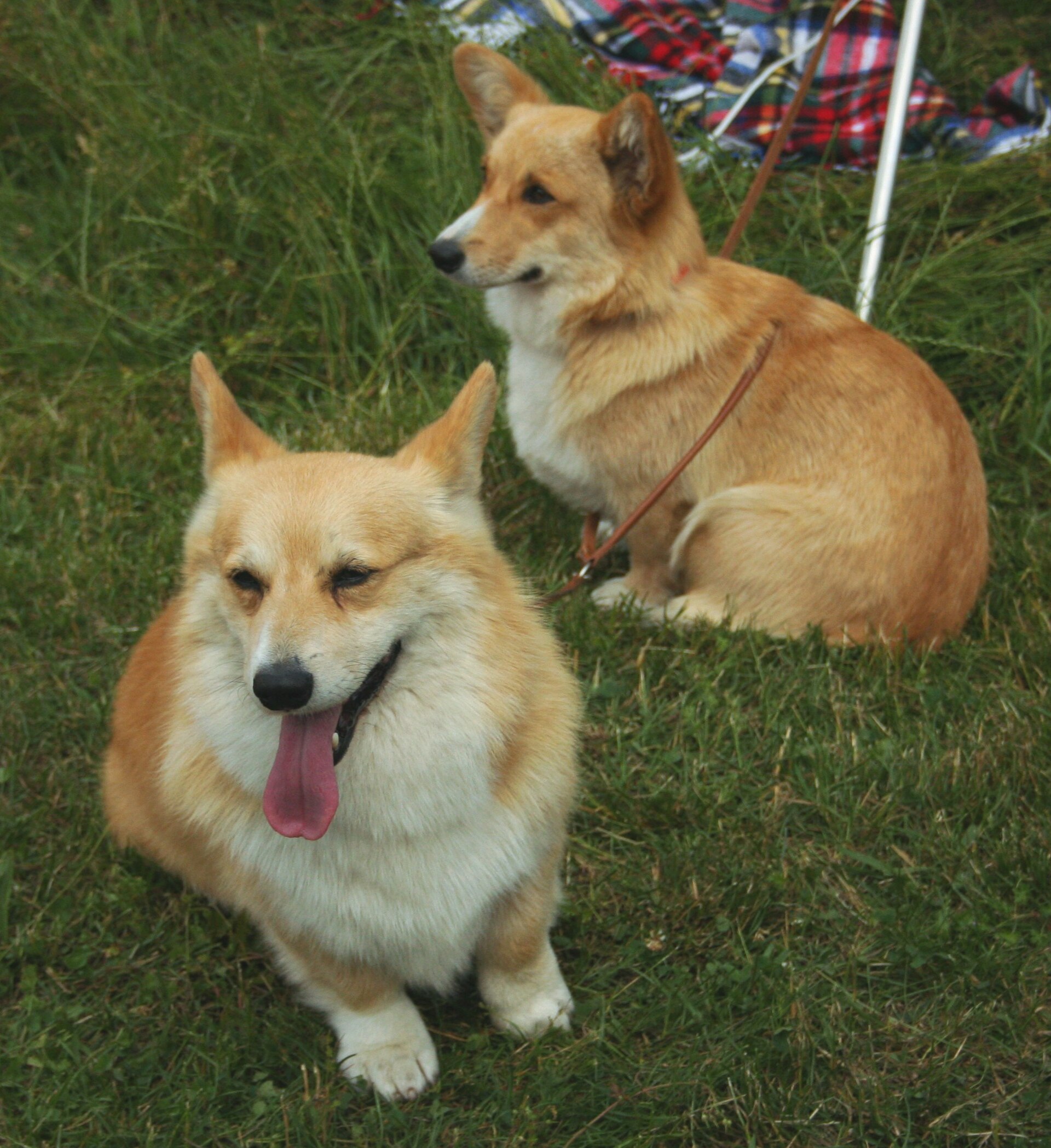
Routine care also includes nail trims, dental care, ear observation, and keeping the dog at a healthy body condition. Long nails can affect comfort and movement. Persistent odor, redness, discharge, itching, pain, hair loss, or sudden coat change should be assessed by a veterinarian rather than solved through an expanding shelf of internet remedies.
Pembrokes can be predisposed to certain inherited and structural health problems. Responsible breeders should discuss relevant health screening and provide verifiable results rather than vague assurances that their lines are “healthy.” A veterinarian can advise on an individual dog’s body condition, exercise, preventive care, and any signs of pain or weakness. Sudden trouble walking, loss of coordination, severe pain, collapse, or breathing difficulty needs prompt veterinary attention.
Puppyhood, adulthood, and the senior years
Corgi puppies are bold-looking but still need sleep, careful social exposure, bite-inhibition work, and protection from overwhelming situations. Keep training short and make good choices easy. Puppy confidence should be built, not tested for entertainment.
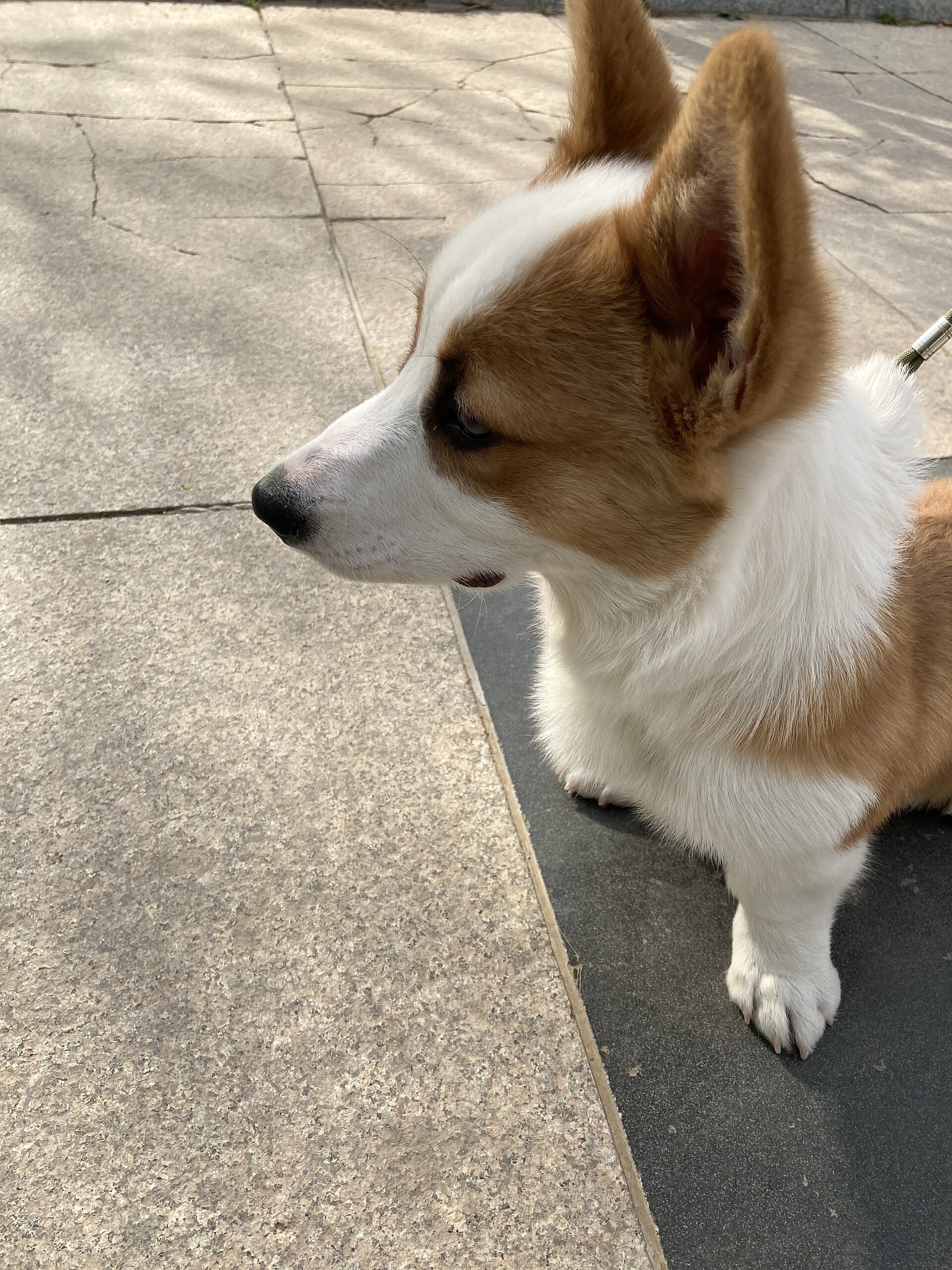
Adults often thrive when life includes predictable rules and varied jobs. Keep watching body condition: the breed’s outline can make gradual weight gain easy to miss, and extra pounds provide no benefit to joints or spine.
Senior Corgis may still have the same managerial enthusiasm with less physical margin. Adjust surfaces, jumping, exercise length, and home access as mobility changes. New stiffness, reluctance to move, house-soiling, confusion, appetite changes, or altered sleep should be discussed with a veterinarian rather than dismissed as “just getting old.”
Fun Pembroke quirks
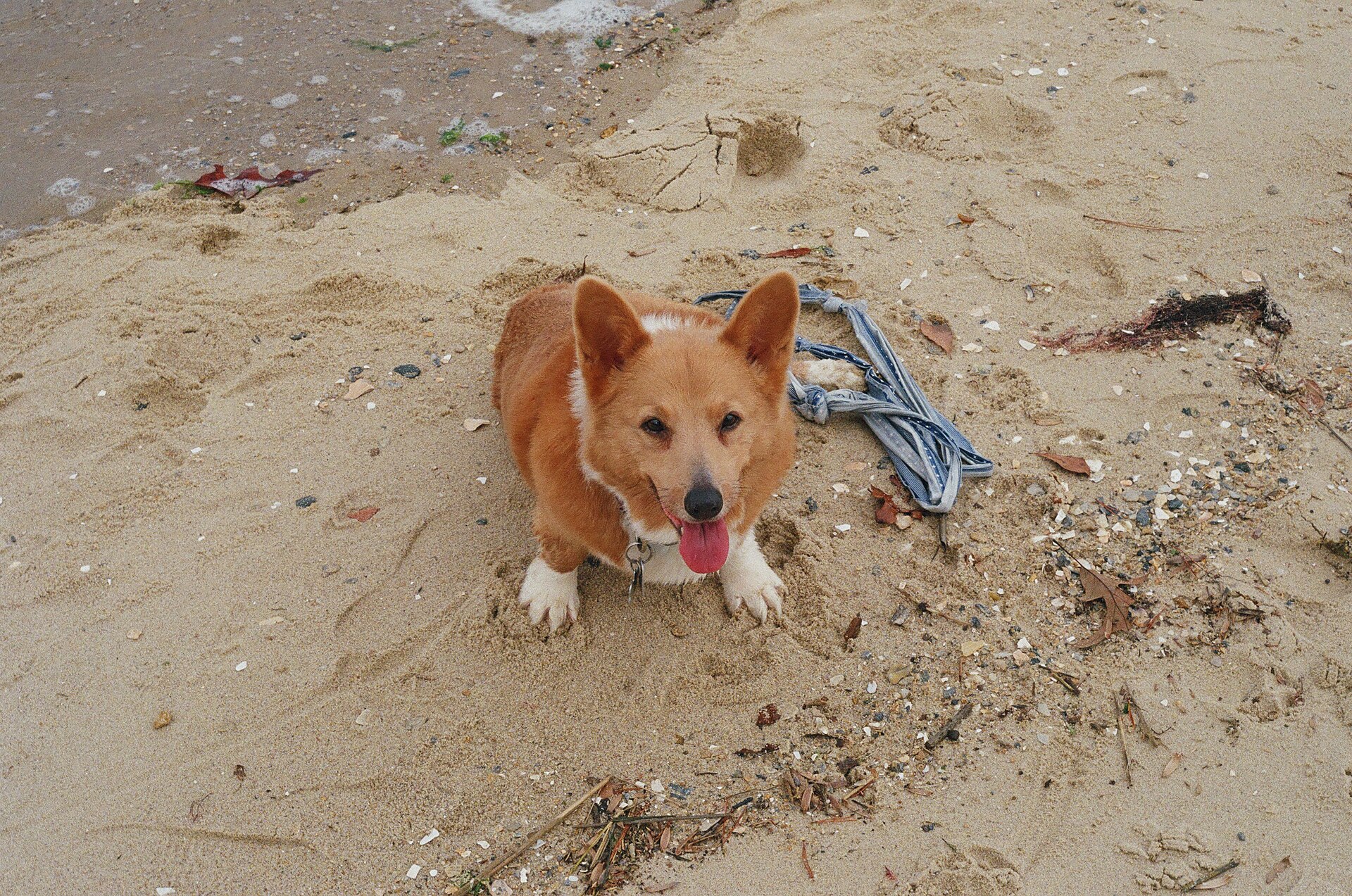
- The “Corgi sploot”—hind legs stretched straight behind—is famous, although it is not exclusive to Corgis.
- Many use an impressive range of barks, grumbles, squeaks, and commentary.
- Their ears can appear to monitor several departments simultaneously.
- Food motivation often makes training efficient and unattended groceries temporary.
- Some sleep in positions suggesting they were dropped from a small height.
- Their low center of gravity does not prevent remarkable speed when a forbidden crumb hits the floor.
Quirks are patterns, not requirements. A quiet Corgi is still a Corgi, and a dog that does not sploot has not voided the warranty.
The verdict
The Pembroke Welsh Corgi is an appealing contradiction: small but substantial, funny but serious about work, affectionate but rarely decorative. The right home gets an intelligent companion ready to learn, participate, and point out every procedural error. The wrong home may discover that buying a short dog does not shorten the job.
Choose the breed for its whole temperament—not only the face, ears, or royal résumé. Give a Pembroke fair training, healthy body condition, suitable activity, coat care, and a legitimate place in family life, and that oversized personality starts to make perfect sense.
FAQ
Are Pembroke Welsh Corgis good family dogs?
They can be excellent family companions when trained, exercised, and supervised appropriately. Their alertness, energy, barking, and possible tendency to herd moving children should be considered honestly. Individual temperament and the family’s ability to manage interactions matter more than a breed label.
Do Pembroke Welsh Corgis shed a lot?
Yes. They have a double coat and shed regularly, often more heavily during seasonal coat changes. Routine brushing helps manage loose hair but does not make the breed low-shedding.
Are Corgis easy to train?
Pembrokes are usually quick learners, but intelligence is not automatic obedience. They benefit from short reward-based sessions, clear routines, gradual practice around distractions, and early work on barking, chasing, recall, and calm settling.
How much exercise does a Pembroke Welsh Corgi need?
Most need purposeful daily activity and mental engagement, but the correct amount depends on age, fitness, health, and the individual. Combine suitable walks and play with training or scent work, and ask a veterinarian about limitations for a puppy or dog with health concerns.
What is the difference between a Pembroke and a Cardigan Welsh Corgi?
They are separate breeds. Cardigans are generally heavier, have rounded ears, a broader color range, and usually a long tail; Pembrokes tend to be lighter with more pointed ears. Tail appearance alone is not a dependable test because natural tails and docking practices vary.
Do Corgis bark a lot?
Many Pembrokes are naturally alert and vocal. Training, adequate activity, predictable routines, and managing the triggers can reduce nuisance barking, but someone requiring a reliably quiet breed should consider that tendency before bringing one home.