Dog Breed History: Why Dogs Were Bred for Jobs, Not Aesthetics
Most dog breeds were created to do a job, not to match a fashionable look. People repeatedly bred dogs that were especially useful at herding livestock, finding game, guarding property, hauling loads, controlling vermin, or keeping company. Over generations, those choices shaped bodies, coats, senses, instincts, and temperaments. A breed’s appearance was often the visible result of the work—not the original goal.
Modern breed standards made appearance more consistent, and some dogs are now bred mainly as companions or show dogs. But the old job still helps explain why a Border Collie watches movement, a Beagle follows scent, a Dachshund digs, or a livestock guardian treats the yard like sovereign territory.
How dog breeds developed
Humans and dogs have lived together for thousands of years, long before kennel clubs or written breed standards existed. The exact timeline and geography of domestication remain subjects of scientific debate, but the broad pattern is clear: people and early dogs formed a working partnership.
For much of that history, dogs were grouped less by pedigree than by function and local type. A shepherd kept the dogs that could control stock. A hunter valued nose, speed, courage, retrieving ability, or the willingness to enter cover. Communities in cold regions favored dogs that could pull, endure, and conserve heat. Those useful dogs produced the next generation.
This was selection in practical clothes. Nobody needed to understand genetics to notice that two capable working dogs were more likely to produce useful puppies.
Function usually came before form
A working dog’s shape mattered, but because shape affected performance. Short legs could help a dog work close to the ground or enter tight spaces. Long legs covered open country. A deep chest supported endurance. A dense double coat protected against cold and wet. Loose skin and long ears could complement the scent-hound package, while a retriever’s weather-resistant coat helped in water.
That does not mean every traditional explanation for a breed feature is proven. Dog history attracts tidy stories, and tidy stories have a habit of outrunning evidence. It is safer to connect traits to documented work and breed standards than to claim every wrinkle, color, or tail shape had one precise purpose.
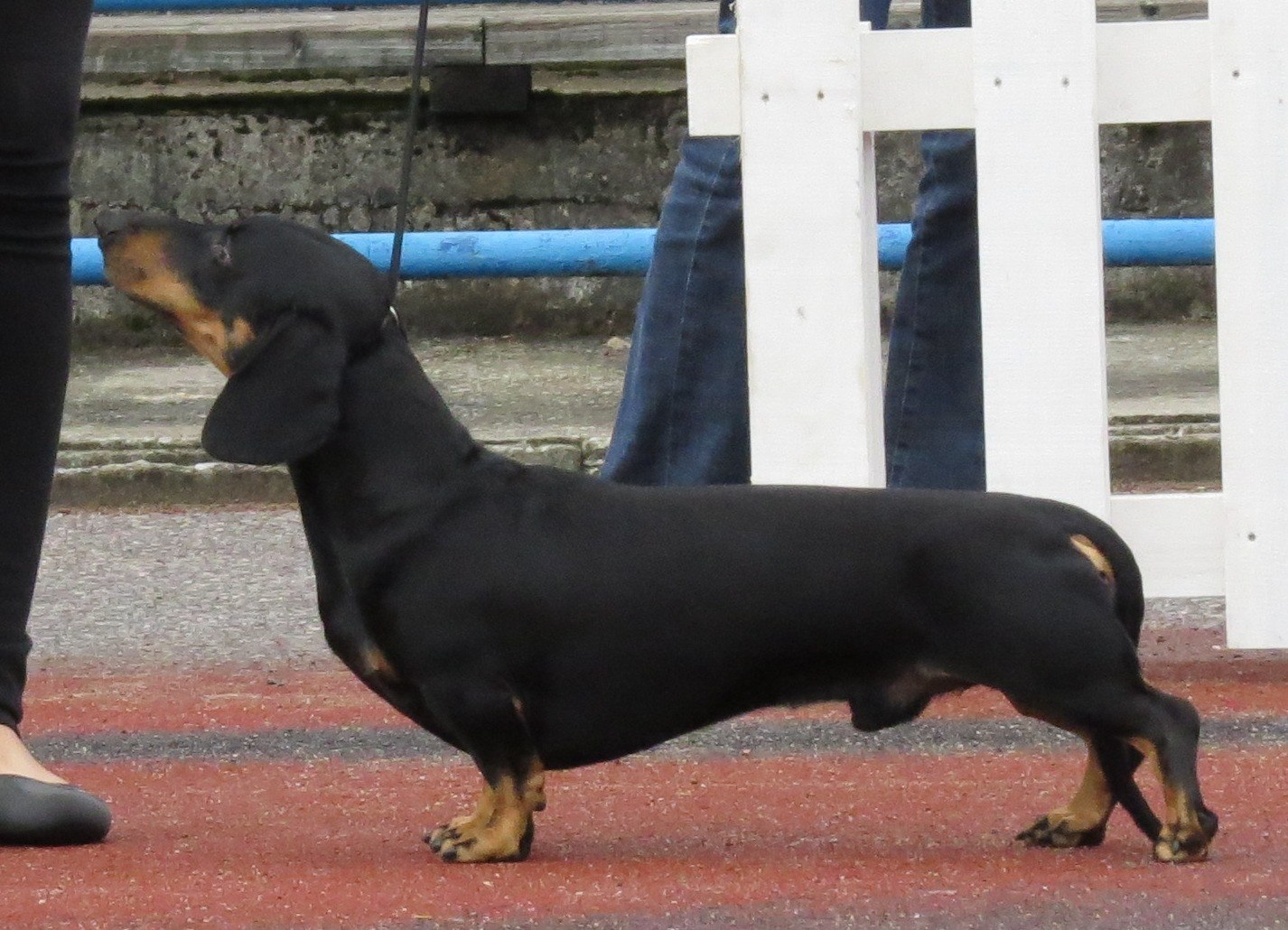
The Dachshund is a clear example of form following function. Its long, low outline and determined temperament fit work pursuing quarry underground. The silhouette became iconic because the working design was memorable—not because an early breeder began with a sketch of a funny-looking sofa dog.
The main jobs that shaped dog breeds
Herding livestock
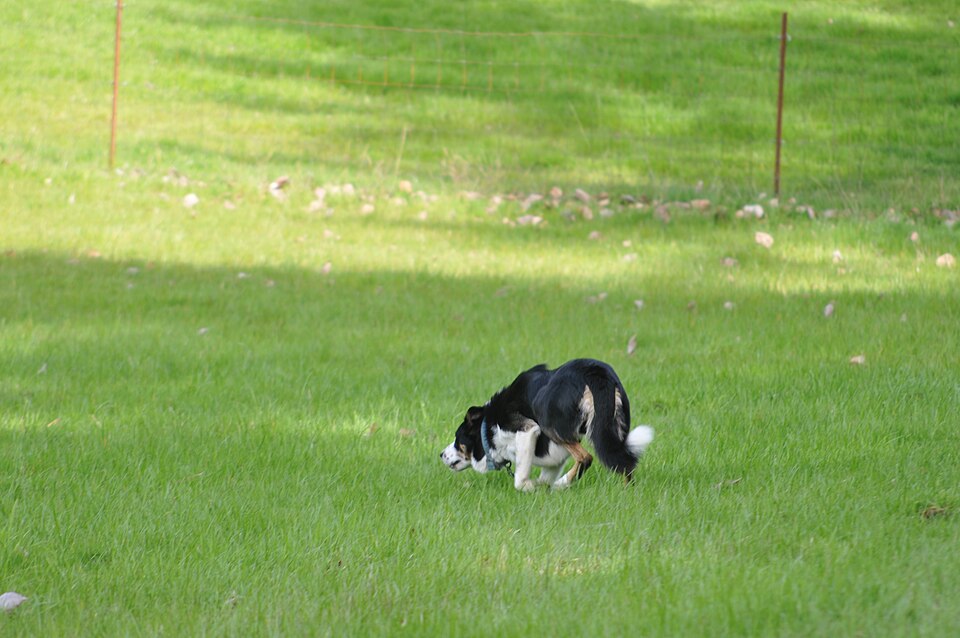
Herding dogs were selected to influence the movement of sheep, cattle, and other stock while responding to a handler. Different landscapes and animals demanded different styles. Border Collies became known for intense visual control, responsiveness, and wide gathering runs. Corgis and other heelers worked lower, using quick movement and pressure near cattle’s feet.
Selection emphasized awareness of motion, stamina, trainability, persistence, and controlled versions of predatory behavior. In a modern home, that inheritance may appear as stalking, circling, chasing, barking at motion, or trying to organize children and pets.
Hunting, tracking, and retrieving
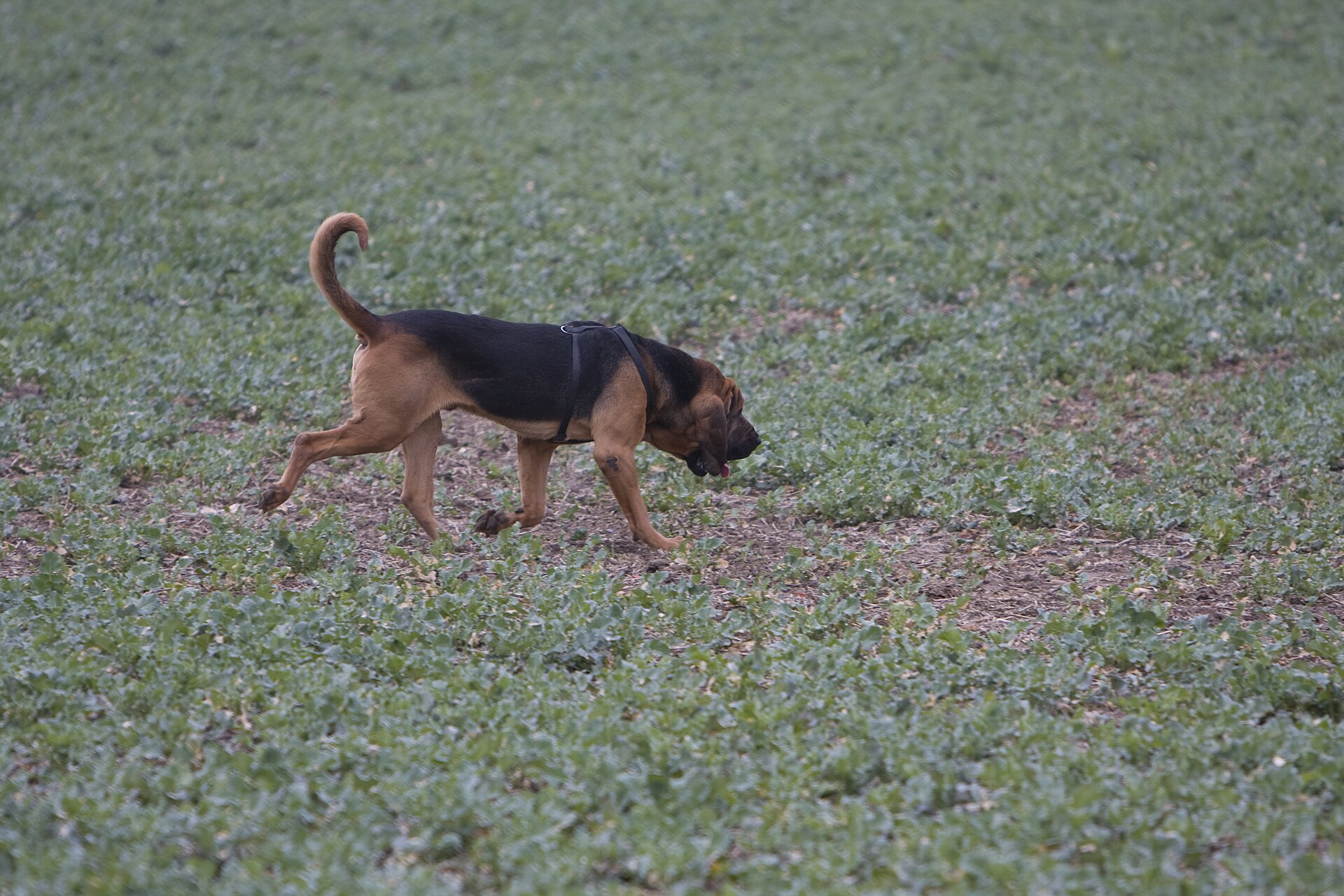
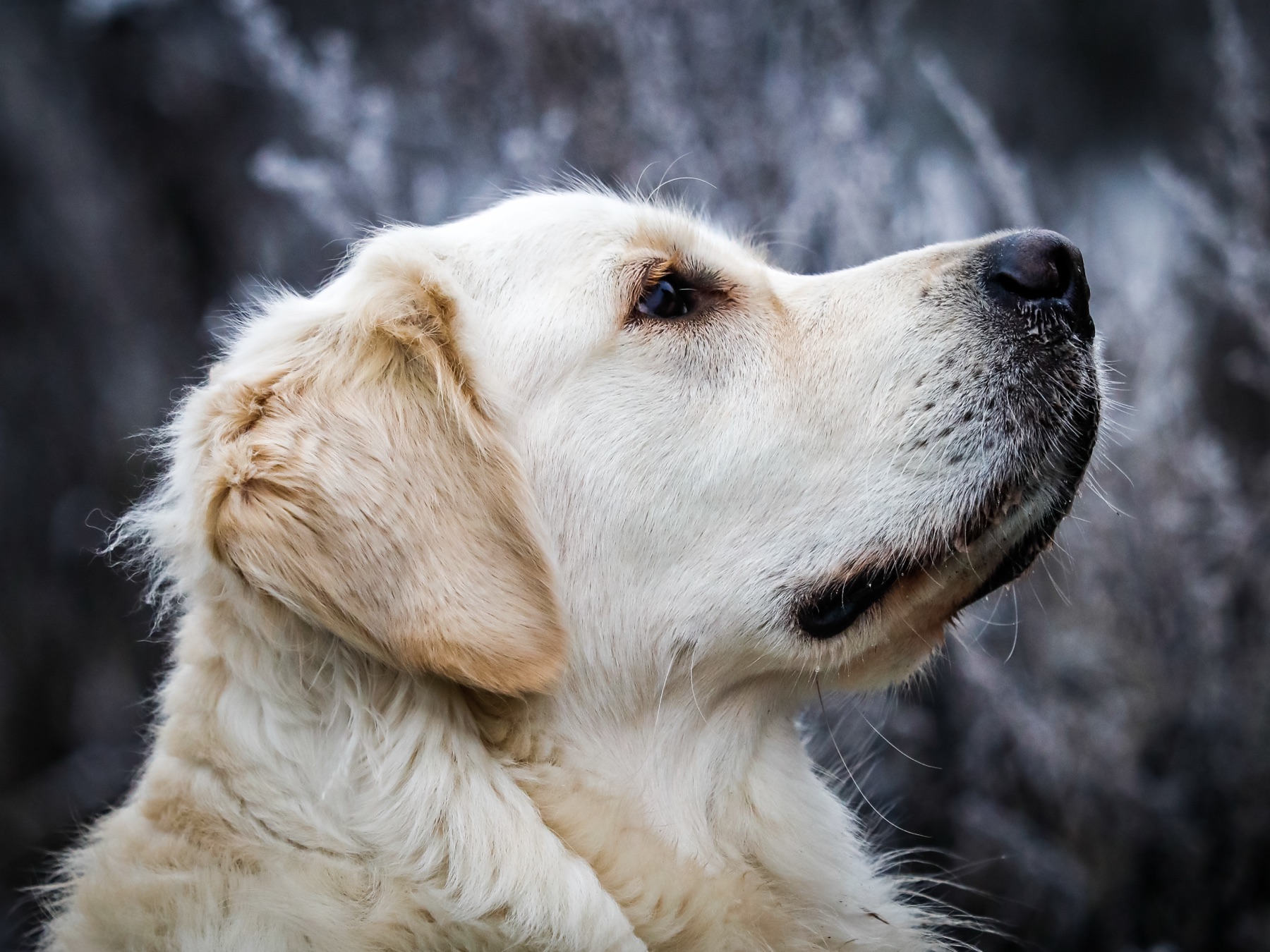
“Hunting dog” covers several distinct jobs. Scent hounds followed odor over distance. Sighthounds pursued visible quarry in open country. Pointing dogs located game and indicated it. Spaniels flushed birds from cover. Retrievers brought shot game back with minimal damage.
Each task rewarded a different package of traits. A Bloodhound’s patient scent work is not the same job as a Greyhound’s explosive visual pursuit or a Labrador Retriever’s cooperative return through cold water.
This is why breed labels such as “sporting” or “hound” are only a starting point. The original task tells you more: What did the dog search for? How far from the handler did it work? Did it make decisions independently? Was silence important, or was voice part of the job?
Guarding people, property, and livestock
Guarding also split into different roles. Some dogs worked closely with people and property. Livestock guardian breeds lived with flocks and independently assessed possible threats. Their value came from steadiness, confidence, territorial awareness, and the judgment to distinguish ordinary activity from danger.
In companion life, those qualities can become watchfulness, reserve with strangers, patrol behavior, or barking. They are not proof that a dog is “dominant,” and they should not be encouraged into unsafe aggression. They are clues that early socialization, secure management, and thoughtful introductions matter.
Hauling and draft work
Sled and draft dogs moved people, supplies, milk carts, and other loads. Breeders favored physical soundness, endurance, efficient movement, weather tolerance, and the temperament to work as part of a team.
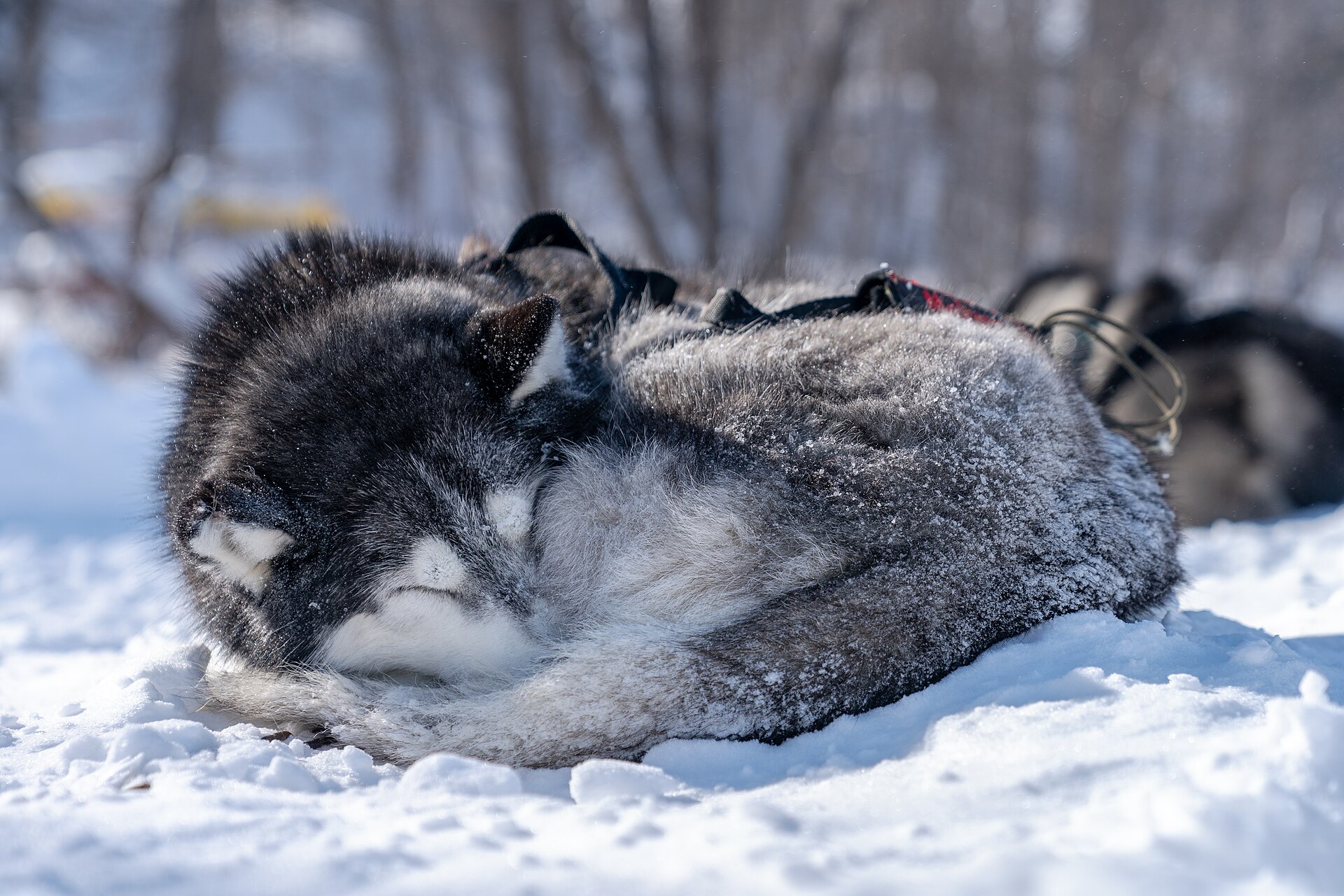
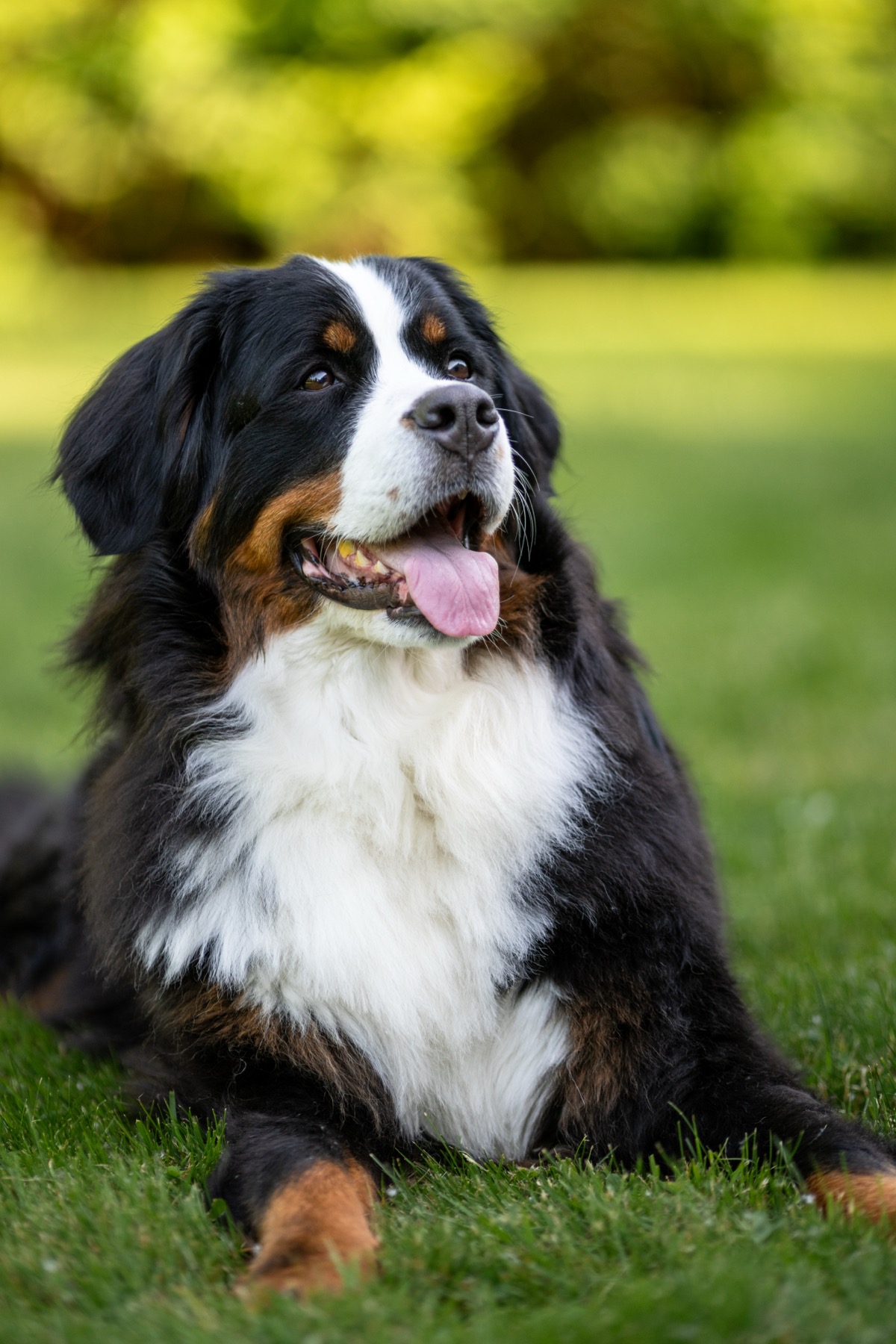
The Siberian Husky’s cold-weather coat and appetite for movement make more sense in this context. So does the heavy, powerful build of draft breeds such as the Bernese Mountain Dog. Similar-looking strength could serve different local jobs, which is why “large fluffy dog” is not a useful history category.
Vermin control
Terriers and pinscher-type dogs helped control rats, foxes, and other pests around farms, stables, homes, and industrial areas. The work rewarded fast reactions, determination, digging, grabbing, and a willingness to enter dark or confined places.
Those traits do not evaporate when a terrier gets a decorative collar. Owners may see intense toy play, digging, alert barking, or pursuit of small animals. Safe outlets and management work better than acting surprised that the tiny employee has retained the résumé.
Companionship
Companionship is also a real purpose. Some dogs were deliberately developed to live close to people, warm laps, provide social connection, or serve as status symbols. Toy breeds were not failed working dogs; human company was their job.
This selection could favor portable size, sociability, attentiveness, and comfort with indoor life. Appearance sometimes carried more weight in companion breeds, particularly among elite households, but temperament and social role still mattered.
Selective breeding shaped behavior as well as bodies
People often understand physical inheritance more easily than behavioral inheritance. Nobody is shocked that a retriever puppy grows a retriever-like coat, yet people can be baffled when the same puppy wants to carry everything.
Breeding cannot program a dog like software. Behavior emerges from genetics, development, learning, health, and environment. Individuals within a breed vary, and breeding lines can differ substantially. Still, generations of selection can shift the likelihood and intensity of traits such as:
- following scent or visual movement
- carrying objects
- digging and pursuing small animals
- staying close to a handler or ranging independently
- sounding an alarm
- tolerating cold, repetition, or demanding terrain
- persisting after frustration
- settling into close human contact
Breed history is therefore useful context, not a verdict about an individual dog.
When aesthetics became more important
Formal dog shows and kennel clubs expanded in the nineteenth century. Written standards, closed studbooks, and organized competition helped turn flexible local working types into more standardized modern breeds. This preserved recognizable populations and recorded pedigrees, but it also increased emphasis on appearance and ancestry.
In some breeds, working and show lines diverged. Breeders selecting for field performance might prioritize stamina, working instinct, and responsiveness, while show breeders selected more heavily for conformation to a written standard. Companion demand added another pressure: dogs increasingly needed to fit ordinary homes rather than farms, estates, or hunting grounds.
Appearance is not automatically frivolous. A sound standard can describe functional structure and protect breed type. Trouble begins when exaggerated features compromise breathing, movement, skin, eyes, reproduction, or general quality of life. A ribbon is a poor consolation prize for a body that struggles with normal dog activities.
What breed history tells modern owners
The original job can help predict what a dog may find naturally rewarding and what management a household may need.
- A herding breed may enjoy structured movement, training, and tasks that require attention.
- A scent hound may need patient leash handling and safe opportunities to sniff.
- A retriever may thrive with carrying games and cooperative retrieves.
- A terrier may need legal digging spots, sturdy toys, and careful management around small animals.
- A livestock guardian may need secure boundaries and a plan for visitors.
- A companion breed may find long isolation especially difficult.
These are starting hypotheses, not guarantees. Ask about the individual dog’s parents, breeding line, early experiences, health, and demonstrated behavior. A breed name cannot tell you everything, and a DNA percentage does not issue operating instructions for a mixed-breed dog.
How to research a breed without falling for mythology
Use several kinds of evidence:
- Read the current breed standard for the officially described function and structure.
- Compare histories from national breed clubs, major kennel organizations, museums, and scholarly sources.
- Look for historical records close to the time and place where the work occurred.
- Separate documented history from phrases such as “legend says” or “every feature was designed to.”
- Talk to people who live or work with current dogs from relevant lines, while recognizing that experience is not universal data.
- Put health testing and functional welfare ahead of a dramatic origin story.
Dogthread used this same cautious approach here. This guide is an editorial synthesis of established domestication history, functional breed groups, written standards, and documented working roles. It does not claim breeder, historian, trainer, or veterinary authority, and first-party search-performance data was unavailable.
Frequently asked questions
Were all dog breeds created by humans?
Modern breeds are human-defined populations shaped through selective breeding, but they did not all appear through one planned program. Many developed gradually as useful regional dog types before kennel clubs formalized their names and standards.
What were the first dog breeds?
There is no simple, universally accepted “first breed.” Dogs existed long before modern pedigreed breeds, and ancient lineages are not the same thing as uninterrupted modern breed registries. Claims about the single oldest breed depend on definitions and available genetic or historical evidence.
Why do dogs from the same breed act differently?
Breed ancestry influences probabilities, not destiny. Genetics, breeding line, prenatal conditions, early socialization, learning, health, age, and daily environment all contribute to behavior.
Are working-line dogs different from show-line dogs?
They can be. When breeders select separate populations for field performance and show conformation over many generations, differences in drive, structure, coat, energy, and temperament may emerge. The size of the difference depends on the breed and the specific lines.
Does a dog need to perform its historical job to be happy?
Usually not literally. A pet Border Collie does not require sheep, and a Dachshund does not require badgers. But safe activities that use related motivations—searching, carrying, chasing under control, digging, problem-solving, or cooperating with a person—can be satisfying.
The useful way to see a breed
A dog breed is not merely a shape, color, or head profile. It is a record of human needs, local environments, and repeated choices about which dogs were useful enough to breed.
Understanding that history makes modern behavior less mysterious. It also leads to a better question than “Do I like how this dog looks?” Ask: What was this dog built and motivated to do, and can my life provide a safe, humane version of it?
That question has prevented more bad matches than any beauty contest ever will.